Updated 11th October 2026.
Huahine in French Polynesia was one of those places where our family loved simply getting out and exploring. Hiring a car and driving around the island was a highlight, stopping at beaches, ancient marae and little villages along the way.

With its lush interior, coconut plantations and beautiful lagoon, Huahine is a lovely choice for travellers who enjoy a slower pace or who are returning to French Polynesia and want to experience a different island. There are plenty of things to do in Huahine, but you don’t need to fill every day with organised activities. Leave room for a swim, a picnic and whatever catches your eye along the way.
In this guide, I’ll share our experience of visiting Huahine with kids, the things to do and see, where to stay and practical advice for planning your visit.
Where is Huahine?
Huahine is part of the Society Islands in French Polynesia, northwest of Tahiti and near Raiatea, Taha’a and Bora Bora. A direct flight from Tahiti takes around 40 minutes and a passenger ferry takes around four hours.
Although often referred to as one island, Huahine is made up of two: Huahine Nui, the larger northern island, and Huahine Iti, the smaller southern island. A bridge connects them, so you can explore both by car. Fare, the main village, is on Huahine Nui.
Is Huahine worth visiting with kids?
Yes! We really enjoyed visiting Huahine with our kids, particularly the freedom of hiring a car and exploring at our own pace. Beaches, blue-eyed eels, traditional fish traps and ancient marae gave us plenty of reasons to stop, without needing a tightly packed itinerary.
Huahine would particularly suit families who enjoy swimming, snorkelling and exploring together or who are visiting French Polynesia on a return trip. The slower pace is part of its appeal, so I’d approach it as somewhere to spend time outdoors and enjoy the island, rather than expecting a constant stream of organised entertainment.
The main lesson from our stay was to choose your accommodation location carefully. We stayed at a property that was only accessible by boat, which limited when we could come and go. Although the setting was beautiful, I’d choose somewhere with road access next time so we could explore more freely.
For our family, Huahine was absolutely worth including in our French Polynesia itinerary. Just give yourself time to enjoy it beyond your accommodation.
Things to do in Huahine
Some of our favourite things to do in Huahine were the most simple, such as snorkelling the coral gardens, driving around the island, stopping for a swim, and exploring places we spotted along the way. Alongside its beautiful waters, Huahine has fascinating cultural sites that are well worth making time for.
Hire a car and explore Huahine Nui and Huahine Iti
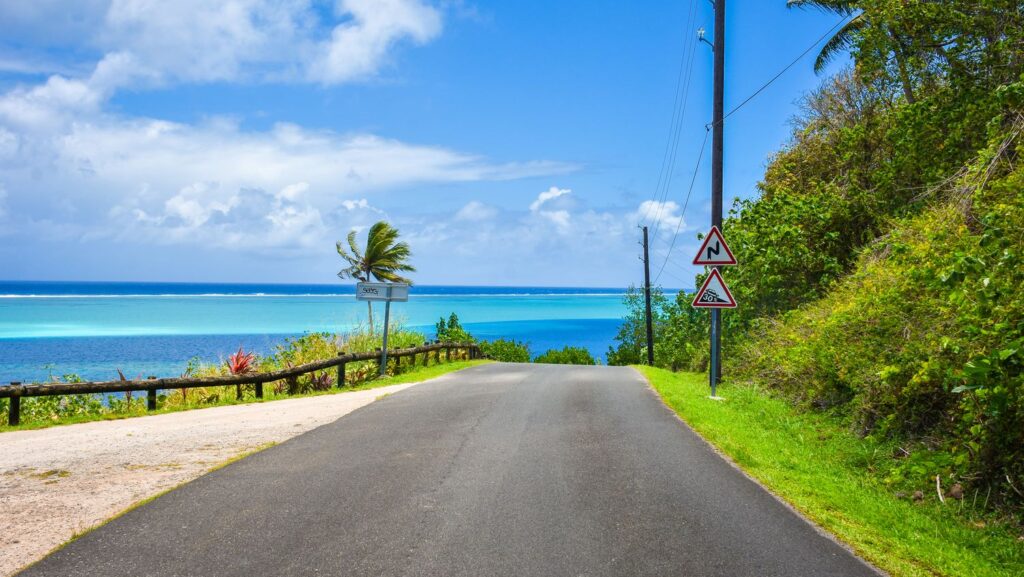
This was the highlight of Huahine for our family. Hiring a car gave us the freedom to explore at our own pace, crossing the bridge between Huahine Nui and Huahine Iti and stopping whenever something caught our eye.
Allow a full day if you want time for sightseeing and swimming rather than just a drive around. Pack a picnic, drinking water, bathers and towels so you can make the most of the beach stops.
You can combine several of the attractions below into your drive, including the archaeological sites at Maeva, the sacred eels at Faie and Marae Anini on Huahine Iti. With kids, I’d leave some room in the day for unplanned stops rather than trying to tick everything off.
Explore ancient marae
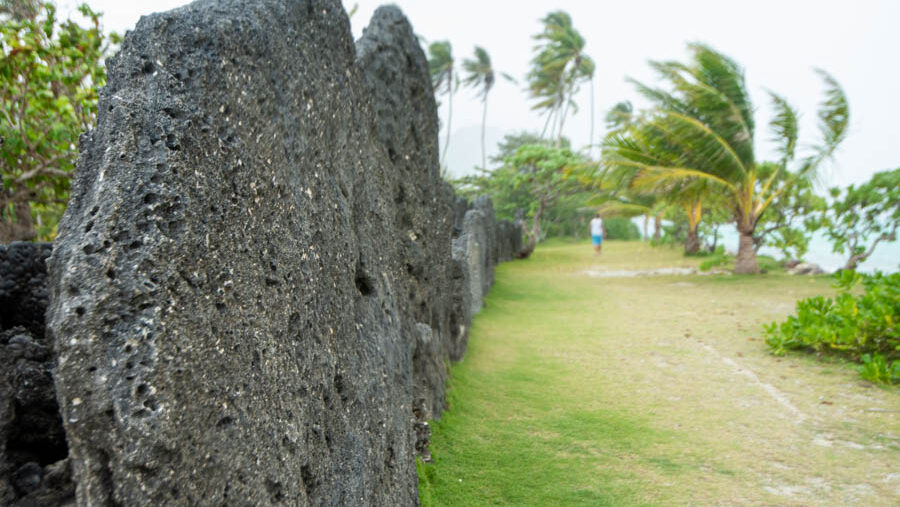
The island of Huahine was once the home of Tahitian royalty and has the most ancient marae (temples) in French Polynesia. It’s believed that some of these marae date back to the Lapita people, the original ancestors of the Tahitians around 700 AD.
Huahine’s marae are an important part of the island’s cultural heritage. These sacred sites were places of ceremony and gathering, and visiting them adds another dimension to a holiday otherwise filled with beaches and lagoon trips.
Maeva is a good place to start, with several marae near the waterfront and the Fare Pōte’e museum. A local guide can help explain the history and significance of what you’re seeing.
Further south, Marae Anini sits near the beach at Parea on Huahine Iti. We liked the setting here, with a grassy area nearby that makes a lovely picnic stop. You can combine a visit to the marae with some time by the water.
Visit the Sacred Blue-Eyed Eels of Faie
A small freshwater stream in Faie village is home to Huahine’s famous sacred blue-eyed eels. It’s an unusual stop to include in your island drive and a chance to see something quite different from the fish out in the lagoon.
Being honest, I was a little underwhelmed at first because the eels weren’t moving around much when we visited. But once the sunlight caught their bright blue eyes, I could see what made them special.
Treat this as a short stop rather than a major activity. Watch from the bank and follow any local guidance around the eels.
Swim at Huahine’s beaches
Leave plenty of time for the beach while you’re exploring Huahine. We found some lovely spots around Avea Bay on Huahine Iti, as well as the beach near Marae Anini at the southern end of the island.
Fare also has a beach, making it easy to combine a wander around the village with some time by the lagoon. Hana Iti is another beach to ask your accommodation about if you’re looking for somewhere else to explore.
Beach access and swimming conditions vary, so ask locally about suitable spots, particularly when visiting with younger children. Bring your picnic and towels, and give yourself permission to linger when you find somewhere you love.
See the traditional fish traps at Maeva
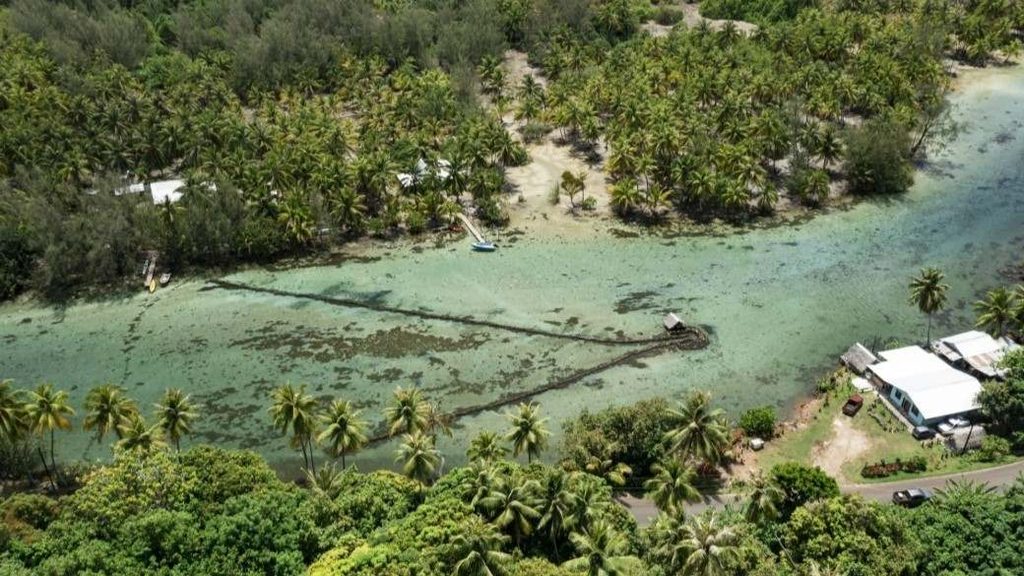
The stone fish traps near Maeva are a fascinating example of traditional fishing techniques. Built in funnel-like shapes, they guide fish into an enclosure where they can be caught. You’ll find them near the bridge, not far from Fare Pōte’e.
They make a worthwhile stop while visiting Maeva’s museum and marae. Take a moment to look at the shape of the stone walls and imagine how they work with the movement of the water.
Visit the Fare Pōte’e Museum in Maeva
The Fare Pōte’e museum sits beside the water in Maeva, inside a reconstructed traditional meeting house. It’s a useful stop for learning more about Huahine’s history before exploring the nearby archaeological sites.
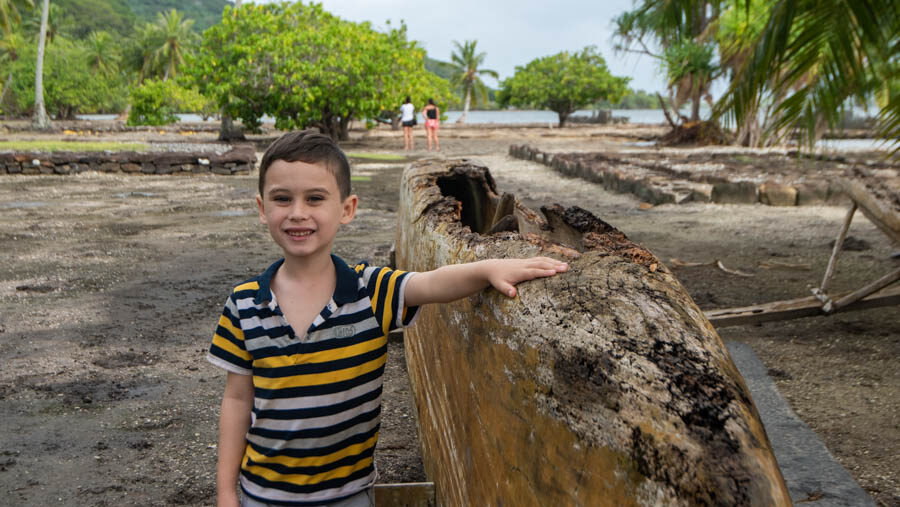
When we visited, the displays included tools, fishing hooks, weapons and historical information. We also enjoyed checking out the canoe on the grounds.
Pair the museum with the nearby marae and fish traps for a morning or afternoon exploring this part of Huahine.
Learn about pearls at Huahine Nui Pearls & Pottery
Huahine Pearl Farm & Pottery offers the chance to learn about cultured pearls and see the pottery associated with founder Peter Owen. It’s a good addition to your sightseeing if you’re curious about how those beautiful Polynesian pearls are produced.
The lagoon setting is part of the appeal, and you can browse pearls and jewellery as well as pottery. Ask your accommodation to confirm current visiting times and boat transfer arrangements.
Take a lagoon tour
A lagoon trip is a lovely way to see Huahine from a different perspective. Depending on the operator, your day might include snorkelling stops, a boat ride around the lagoon and lunch on a motu, one of the small islets surrounding the main islands.
Your accommodation can help you book a local tour. Before booking, ask what’s included, how long you’ll be out and whether the trip suits your children’s ages and swimming abilities. As someone who is prone to seasickness, I particularly appreciated the calmer water in the lagoon.
Snorkel the coral gardens
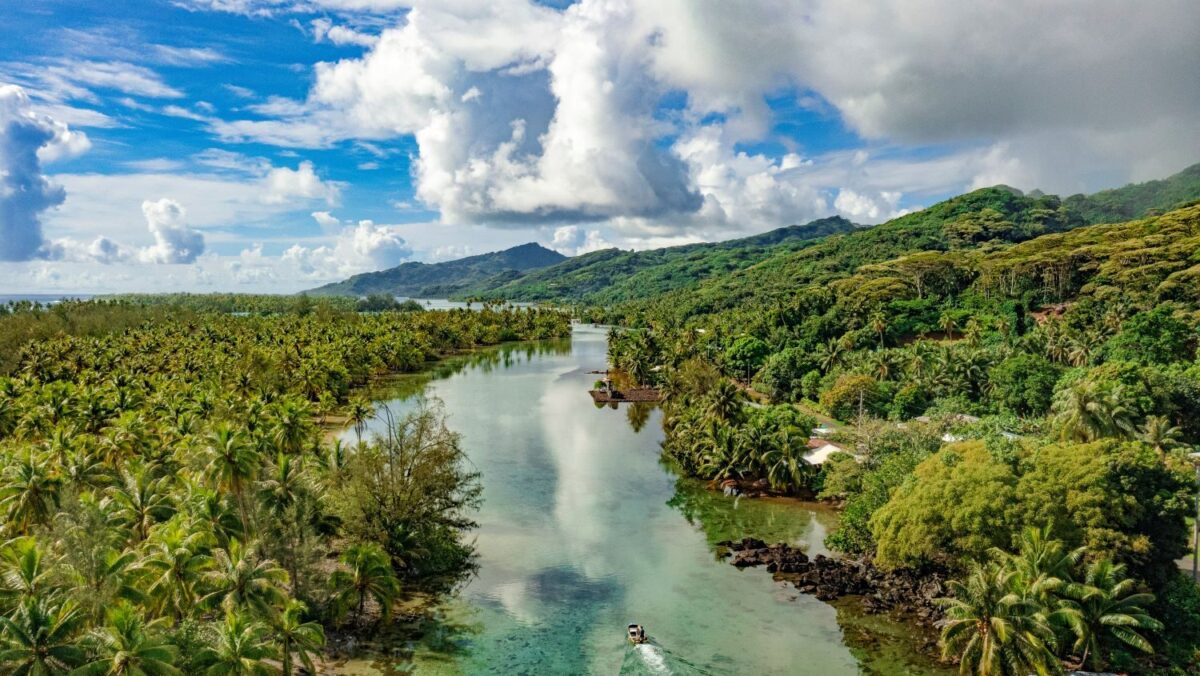
Snorkelling was another highlight of our time in Huahine. We loved the colourful coral, plentiful fish and warm water. It’s well worth including some time beneath the surface in your visit.
You can combine snorkelling with a lagoon tour or ask your accommodation about a dedicated outing. Let the operator know if you have children or beginner snorkellers with you so they can suggest a suitable spot and explain what equipment is provided.
You don’t need to turn it into a separate day of sightseeing. A well-chosen snorkelling stop on your lagoon trip may be enough, particularly with younger kids.
Wander around Fare
Fare is Huahine’s main village, and we enjoyed its low-key atmosphere. There’s no need for a long sightseeing checklist here: wander along the waterfront, browse the shops and enjoy a break from driving around the island.
It’s also a practical stop for picking up picnic supplies before continuing your day. Add some time at the nearby beach and you have an easy outing without needing to book a tour.
For us, Fare was a lovely reminder that a holiday doesn’t always need a big attraction. Sometimes a stroll by the water is enough.
Where to stay in Huahine
When choosing where to stay in Huahine, think about how you want to spend your days. Being able to walk to shops and places to eat is useful, particularly with kids, while a beachfront bungalow might appeal more if you’re planning plenty of time by the lagoon.
Huahine has hotels, family-run guesthouses known as pensions, and holiday rentals. Your accommodation’s location and transport arrangements can make as much difference to your stay as the room itself.
Choosing your location
In or near Fare: I’d start here if you want convenient access to the main village, shops and waterfront. Check the property’s actual walking distance to Fare, as accommodation described as being “near Fare” may still require transport.
Around Avea Bay on Huahine Iti: This is an area to consider if beach time is your priority. It’s also where you’ll find Hotel Le Mahana, beside a white-sand beach and coral garden. You’ll need to plan transport for outings to Fare and attractions on Huahine Nui.
Elsewhere around the island: A guesthouse or holiday home can be worth comparing if you’d like more space or somewhere quieter. Before booking, check access to groceries, meals and car hire rather than choosing on the photographs alone.
Our experience at Royal Huahine
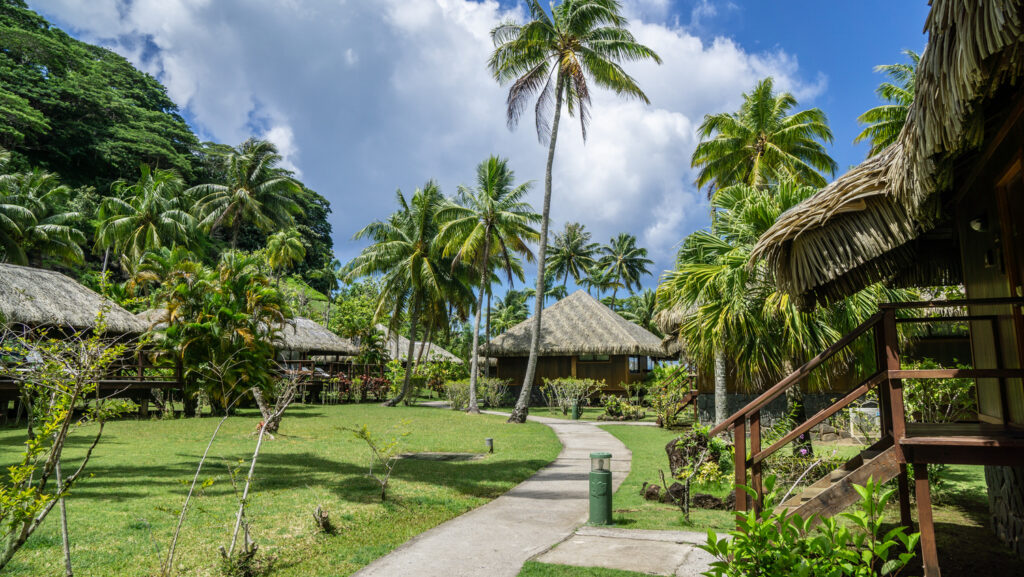
On our visit, we stayed in a garden bungalow at Royal Huahine. The setting was beautiful and peaceful, but the service didn’t live up to what we’d paid nor did the upkeep of the property so we were quite dissapointed. It’s been listed as ‘temporarily closed’ since around 2024 with no official announcements made as to its future.
The property was only accessible by boat, which limited when we could come and go. That was a drawback for us because exploring the island independently turned out to be one of our favourite parts of the trip.
Next time, I’d read reviews more carefully and choose accommodation with road access so we could head out more freely. It’s worth considering whether you want to spend most of your time at your accommodation or use it as a base for exploring.
Accommodation options to compare
We haven’t stayed at the properties below, but they offer different options to consider when planning a Huahine family holiday.
Maitai Lapita Village Huahine
Located in Fare, Maitai Lapita Village Huahine has bungalow accommodation in a setting between a lake and the lagoon. Facilities include a swimming pool, restaurant and bar. It’s an option to compare if you’d like hotel facilities while staying near the main village. Check which bungalow category accommodates your family before booking.
Hotel Le Mahana Huahine
Hotel Le Mahana sits beside the beach at Avea Bay on Huahine Iti. It offers garden and beachfront bungalows, a swimming pool and a restaurant, with snorkelling equipment, kayaks and paddleboards listed among its complimentary facilities. I’d consider this one if spending time by the water is a priority.
Guesthouses and self-catering accommodation
For families wanting extra space, compare holiday homes and guesthouses alongside the hotels. A kitchen can be useful for preparing breakfast and picnic lunches, but facilities differ between properties.
Check the number of bedrooms, actual bed arrangements and whether cooking facilities are private or shared. Tahiti Tourisme’s Huahine accommodation directory is a useful starting point.
How to get to Huahine
For travellers arriving from overseas, the usual starting point is Tahiti, followed by a domestic flight to Huahine. The direct flight from Tahiti’s Faa’a International Airport takes around 40 minutes. Connections from other Society Islands are also available, depending on the flight schedule.
Check Air Tahiti for flights. If you’re visiting several islands, compare its multi-island passes with individual fares. Check the permitted routes and baggage allowances before booking. The weather in French Polynesia makes it very easy to travel carry on only to save money on flights.
You can also travel from Tahiti to Huahine aboard the Apetahi Express passenger ferry. Allow roughly four hours for the crossing and check the current timetable and fares before organising your accommodation.
Personally, as someone prone to seasickness, I’d lean towards the short flight. An open-water ferry crossing is quite different from a boat trip within Huahine’s lagoon!
Getting around Huahine
Hiring a car was our favourite way to explore Huahine. It gave us the freedom to stop for photos, visit the cultural sites and take our time at the beaches. The bridge between Huahine Nui and Huahine Iti means you can explore both islands without needing a boat transfer.
You don’t necessarily need a car for your whole stay. Hiring one for a day or two can work well if you’re also planning a lagoon tour and some time relaxing at your accommodation. If you’d prefer someone else to handle the driving, a guided island tour is another option. Local guides can also explain the history of the marae and other sites along the way.
Walking is useful for exploring Fare if you’re staying nearby, but you’ll need to organise transport for sightseeing further afield.
How many days do you need in Huahine?
For a first visit, I’d suggest three to four nights in Huahine. Depending on your arrival and departure times, that gives you room for a day exploring by car, a lagoon outing and some beach time without rushing from one activity to the next.
A simple way to plan your stay is:
- One day exploring the island: Visit Maeva, the sacred eels at Faie and some of Huahine Iti’s beaches.
- One day on the lagoon: Book a boat trip with snorkelling stops.
- Some time without a fixed plan: Wander around Fare, swim or relax at your accommodation.
If your family enjoys a slower holiday, four or five nights gives you more room to spread out your outings and work around the weather.
Best time to visit Huahine
May to October is generally the best time to visit Huahine for drier weather and lower humidity. It’s a good period to consider if you’re planning plenty of sightseeing, beach time and outdoor activities.
November to April is typically warmer, wetter and more humid. You can still visit during these months, but it helps to keep your plans flexible rather than relying on a particular day for your lagoon trip.
For a family holiday, I’d weigh up the weather alongside school holidays, flight costs and accommodation availability. Rain is possible in any month, so leave some breathing room in your itinerary and ask your tour operator about conditions before heading out on the water.
More help planning your French Polynesia holiday
If Huahine is one stop on a bigger trip, start with our guide to the best islands in French Polynesia for a family holiday to help decide where else to go.
Spending time on Tahiti before or after your inter-island flights? Our things to do in Tahiti guide has ideas for making that part of the trip a holiday in its own right.
You can also:
- Compare Bora Bora and Moorea for a family holiday.
- Decide if an overwater bungalow in Bora Bora is worth it.
- Read about our visit to Motu Ofetaro near Raiatea.
For more ideas, browse all our French Polynesia articles and start putting together an island-hopping itinerary that suits your family.
Check out our YouTube clip of Huahine Island
Where to next?
📌 Save this article to Pinterest so you’ll have it handy when planning your own trip.


Let me know what you think!