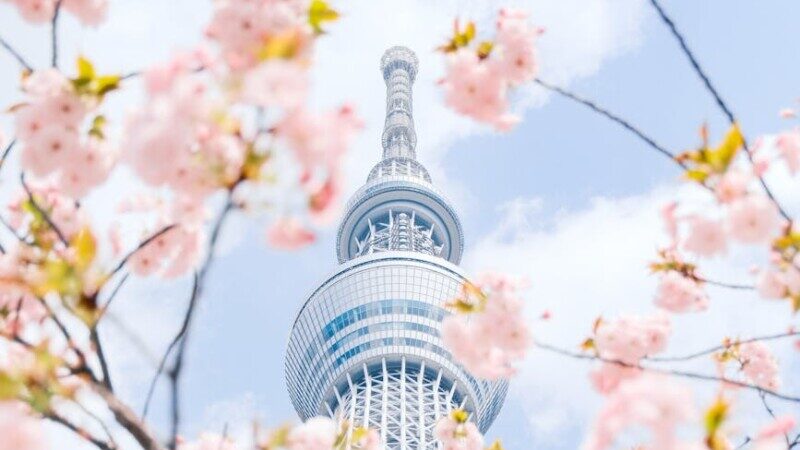
Japan is best known for its unique blend of ancient traditions, incredible food, fascinating pop culture and cutting-edge technology. From Mount Fuji and cherry blossoms to sushi, anime and bullet trains, the country offers experiences that have captured the imagination of travellers around the world.
One of the reasons Japan fascinates travellers is the way it blends thousands of years of history with modern innovation. In one day you might visit a peaceful temple that has stood for centuries, then take a high-speed bullet train into a city filled with neon lights, anime stores and futuristic technology.
If you’re wondering what makes the country so unique, here are some of the things Japan is best known for.
If you’re curious about Japan’s most famous attractions and landmarks, you can also read our guide to famous places in Japan.
What Japan is best known for (quick list)
- Sushi and Japanese Cuisine
- Samurai and Japan’s Warrior History
- Mount Fuji
- Cherry blossoms
- Anime and manga
- Bullet trains
- Temples and shrines
- Technology and innovation
- Unique pop culture
- Traditional culture and etiquette
#1. Sushi and Japanese cuisine
Japan is the birthplace of modern sushi, one of the most popular foods in the world. Traditional sushi focuses on simplicity and freshness, typically combining vinegared rice with seafood, vegetables and seaweed.
While sushi is globally famous, Japan is also known for a wide range of other delicious dishes, including:
- ramen
- tempura
- udon noodles
- okonomiyaki
- takoyaki
- matcha desserts
Food is an important part of Japanese culture, and meals are often prepared with great attention to detail, presentation and seasonal ingredients. For many travellers, exploring Japan’s food scene becomes one of the highlights of visiting the country.

#2. Samurai and Japan’s warrior history
The samurai were Japan’s powerful warrior class for centuries and played a major role in shaping the country’s history.
Samurai followed a strict code of honour known as Bushido, which emphasised loyalty, discipline, courage and respect. Their influence can still be seen in Japan’s castles, museums and historical districts.
Destinations such as Kanazawa, Himeji and Kyoto offer visitors a glimpse into this fascinating period of Japanese history.
#3. Mount Fuji
Mount Fuji is Japan’s tallest mountain and one of the country’s most iconic natural landmarks.
Standing at 3,776 metres, this perfectly shaped volcano has been considered sacred for centuries and has inspired countless artists, poets and photographers. On clear days, Mount Fuji can even be seen from parts of Tokyo.
Many travellers visit the nearby Fuji Five Lakes region for stunning views of the mountain, while others attempt to climb it during the official climbing season between July and September.
#4. Cherry blossoms (sakura)
Each spring, Japan becomes famous around the world for its breathtaking cherry blossom season, known as sakura.
For a few short weeks between March and April, parks, riversides and city streets are filled with pale pink blossoms. Locals celebrate the season with hanami, the traditional custom of gathering under the trees for picnics and flower viewing.
Cherry blossom season has become one of Japan’s most iconic travel experiences, attracting millions of visitors every year.

#5. Anime and manga
Japan is the global home of anime and manga, forms of entertainment that have become hugely popular worldwide.
Anime refers to Japanese animated films and TV series, while manga are Japanese comic books or graphic novels. Famous franchises such as Pokémon, Dragon Ball, Naruto and Studio Ghibli films have helped shape global pop culture.
Neighbourhoods like Akihabara in Tokyo are packed with anime stores, arcades and themed cafés, making them popular destinations for fans.
#6. Bullet trains (shinkansen)
Japan’s Shinkansen bullet trains are famous for their incredible speed, reliability and efficiency.
Some trains travel at speeds of more than 300 km/h, connecting major cities such as Tokyo, Kyoto, Osaka and Hiroshima in just a few hours.
Despite their speed, bullet trains are also known for being extremely punctual, comfortable and easy to use, making them one of the best ways to explore the country.
#7. Ancient temples and shrines
Japan is home to thousands of historic Buddhist temples and Shinto shrines, many of which date back hundreds of years.
These sacred sites reflect the country’s spiritual traditions and are often surrounded by peaceful gardens, forests or historic streets.
Cities like Kyoto and Nara are particularly famous for their temples and shrines, including the iconic Fushimi Inari Shrine, known for its thousands of bright red torii gates.

#8. Technology and innovation
Japan is also widely known for its contributions to technology, robotics and electronics.
The country has long been a leader in innovation, producing globally recognised brands in industries such as automotive manufacturing, consumer electronics and gaming.
Cities like Tokyo and Osaka showcase futuristic architecture, advanced transport systems and cutting-edge technology that often feels years ahead of other parts of the world.
#9. Unique pop culture
Japan has developed a distinctive pop culture that fascinates visitors from around the world. Travellers often encounter quirky and memorable experiences such as:
- themed cafés
- capsule hotels
- anime shopping districts
- karaoke bars
- vending machines selling almost anything imaginable
These unusual and creative experiences add another layer of fun and curiosity to travelling in Japan.
#10. Traditional culture and etiquette
Japan is widely admired for its strong sense of respect, tradition and social etiquette.
Visitors often notice cultural customs such as bowing when greeting someone, removing shoes before entering homes and speaking quietly on public transport.
Traditional cultural experiences like tea ceremonies, wearing kimono and visiting historic districts help travellers understand the values that have shaped Japanese society for centuries.

Why Japan is so popular with travellers
Japan continues to attract millions of visitors each year because it offers something very few destinations can match – a fascinating mix of ancient traditions and modern innovation.
Travellers might spend the morning walking through a centuries-old temple in Kyoto, then ride a high-speed bullet train to Tokyo and find themselves surrounded by neon lights, cutting-edge technology and bustling shopping districts.
The country is also known for its incredible food, efficient public transport, welcoming culture and unique experiences that can’t easily be found anywhere else.
For families, Japan is especially appealing because it offers a wide range of activities – from theme parks and anime attractions to historic temples, nature, food markets and cultural experiences.
Whether you’re visiting for the first time or returning for another trip, Japan offers a travel experience that feels both familiar and completely different at the same time.

Frequently Asked Questions about Japan
Japan is best known for its unique mix of ancient traditions and modern culture. Some of the most famous things associated with Japan include Mount Fuji, sushi, cherry blossoms, samurai history, anime and manga, bullet trains, temples and shrines, advanced technology and distinctive pop culture.
Japan is best known for sushi, but the country is also famous for ramen, tempura, udon noodles, okonomiyaki and matcha desserts. Japanese cuisine is widely respected around the world for its freshness, presentation and seasonal ingredients.
Japan is known for traditions such as tea ceremonies, wearing kimono, bowing as a greeting, removing shoes indoors and celebrating seasonal festivals like cherry blossom viewing (hanami).
Japan is unique because it blends centuries-old traditions with cutting-edge technology. Visitors can explore ancient temples and historic neighbourhoods while also experiencing futuristic cities, bullet trains and modern pop culture.
Where to next?
📌 Save this article to Pinterest so you’ll have it handy when planning your own trip.

Let me know what you think!