Japan is a country where ancient traditions sit comfortably alongside futuristic cities. One moment you might be standing inside a thousand-year-old temple, and the next you’re crossing the world’s busiest pedestrian intersection. From sacred mountains and historic castles to neon-lit city landmarks, there are countless famous places in Japan that travellers dream of seeing.
If you’re planning a trip to Japan with your family (or simply daydreaming about one), here are some of the most iconic landmarks across the country.
Famous places in Japan in a nutshell
| Landmark | Location | Why it’s famous |
|---|---|---|
| Mount Fuji | Honshu Island | Japan’s tallest mountain and national symbol |
| Shibuya Crossing | Tokyo | The world’s busiest pedestrian crossing |
| Fushimi Inari Shrine | Kyoto | Thousands of red torii gates forming mountain trails |
| Hiroshima Peace Memorial Park | Hiroshima | Memorial to the atomic bombing of Hiroshima |
| Himeji Castle | Himeji, Hyogo | Japan’s best-preserved feudal castle and a UNESCO World Heritage Site |
| Kinkaku-ji (Golden Pavilion) | Kyoto | Famous gold-covered Zen temple |
| Arashiyama Bamboo Grove | Kyoto | Scenic bamboo forest walkway |
| Tokyo Tower | Tokyo | Iconic observation tower with city views |
| Itsukushima Shrine | Miyajima Island | Floating torii gate shrine on the water |
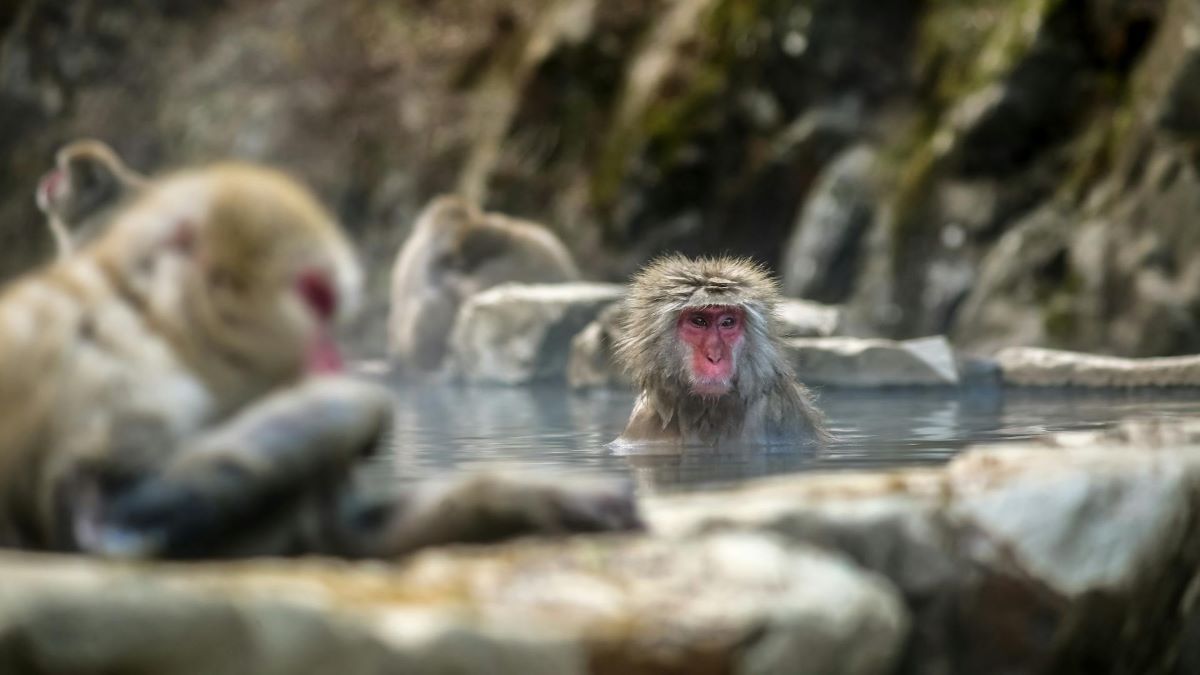
| Jigokudani Snow Monkey Park | Nagano | Wild monkeys bathing in hot springs |
| Senso-ji Temple | Tokyo | Tokyo’s oldest temple |
| Nara Deer Park | Nara | Sacred deer roaming freely among temples |
| Tokyo Skytree | Tokyo | Japan’s tallest structure |
Watch: famous places in Japan
Prefer watching instead of reading? This video highlights some of the most famous places in Japan and what makes each one worth visiting.
#1. Mount Fuji
Location: Honshu Island, about 100km southwest of Tokyo
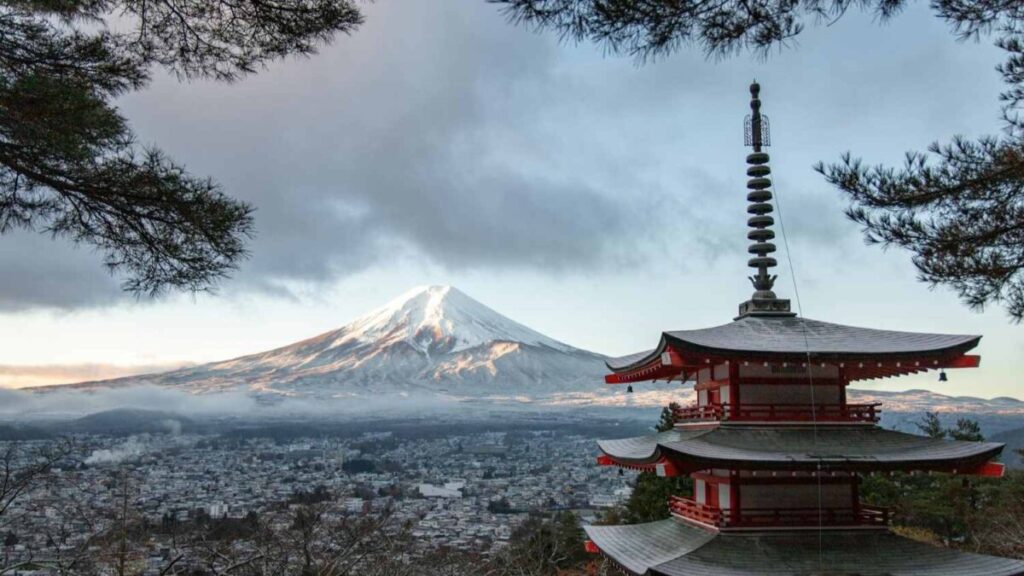
Mount Fuji is the highest mountain in Japan, rising 3,776 metres above sea level. The nearly perfect cone-shaped volcano has long been considered sacred and has inspired centuries of art, poetry and pilgrimage.
Historically, Mount Fuji has been an important spiritual site in both Shinto and Buddhist traditions, and pilgrims have been climbing the mountain for over a thousand years. Today, it is also a UNESCO World Heritage Site recognised for its cultural significance.
Although experienced climbers can hike to the summit during the official climbing season (July to September), most visitors admire Fuji from nearby viewpoints such as Lake Kawaguchi, Hakone or the famous Chureito Pagoda.
Interesting fact: Mount Fuji last erupted in 1707, but it is still considered an active volcano.
#2. Shibuya Crossing, Tokyo
Location: Shibuya district, Tokyo
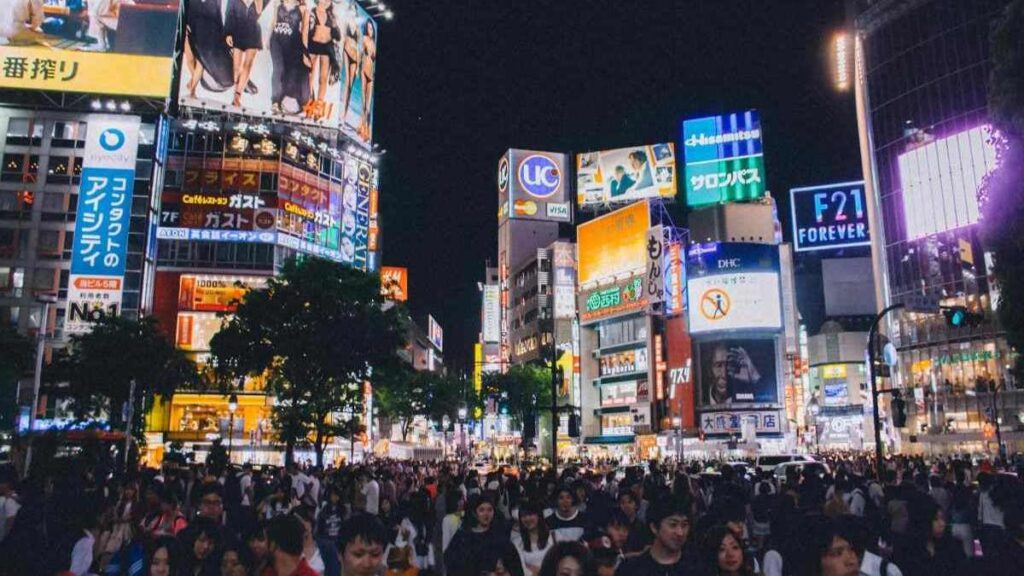
Shibuya Crossing is one of the most famous urban landmarks in Japan and is often called the busiest pedestrian crossing in the world.
Every time the traffic lights change, hundreds – sometimes thousands – of people cross the intersection from all directions at once in a carefully choreographed scramble.
The crossing sits in the heart of the Shibuya entertainment district, surrounded by giant digital screens, shops, restaurants and neon lights that create the classic Tokyo city atmosphere.
Just outside the station you’ll also find the Hachiko statue, a tribute to the loyal dog who waited for his owner at the station every day for nearly ten years after his owner passed away.
Interesting fact: During peak hours, an estimated 2,500 people cross the intersection at once.
#3. Fushimi Inari Shrine, Kyoto
Location: Kyoto
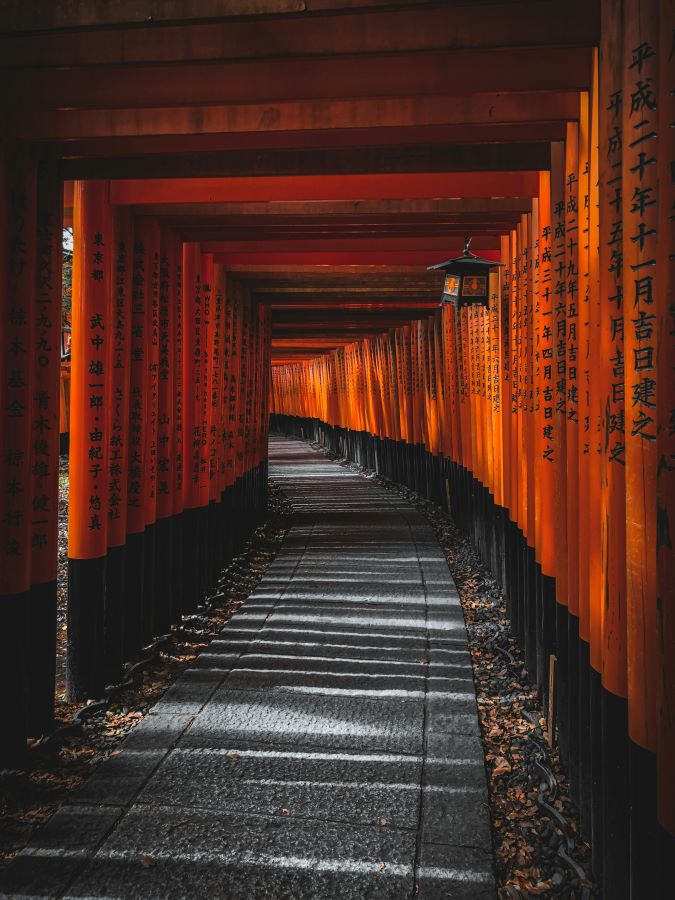
Fushimi Inari Taisha is one of Japan’s most famous Shinto shrines and is instantly recognisable for its thousands of bright vermilion torii gates that line the forested mountain trails.
The shrine is dedicated to Inari, the Shinto god of rice, agriculture and prosperity. Businesses often donate torii gates to the shrine, which is why there are now more than 10,000 gates forming tunnels along the paths.
Visitors can walk through these gates up the slopes of Mount Inari, a hike that can take around two to three hours if you complete the full circuit.
Interesting fact: The fox statues you’ll see throughout the shrine are considered messengers of the god Inari.
#4. Hiroshima Peace Memorial Park
Location: Hiroshima
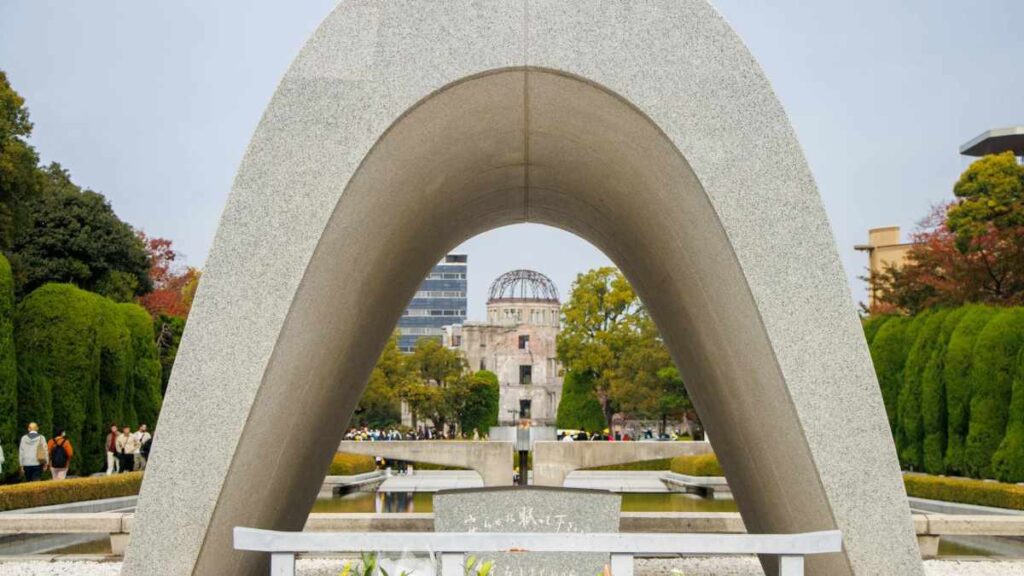
Hiroshima Peace Memorial Park stands as a powerful reminder of the events of 6 August 1945, when the first atomic bomb used in warfare was dropped on the city.
The park is built near the explosion’s hypocentre and contains several memorials dedicated to the victims and the pursuit of peace.
The most famous structure is the Atomic Bomb Dome, the skeletal remains of a building that survived the blast and now stands as a UNESCO World Heritage Site.
Visitors can also explore the Peace Memorial Museum, which documents the events of the bombing and its aftermath.
Interesting fact: The Eternal Flame of Peace in the park will remain lit until nuclear weapons are eliminated from the world.
#5. Himeji Castle
Location: Himeji, Hyogo Prefecture
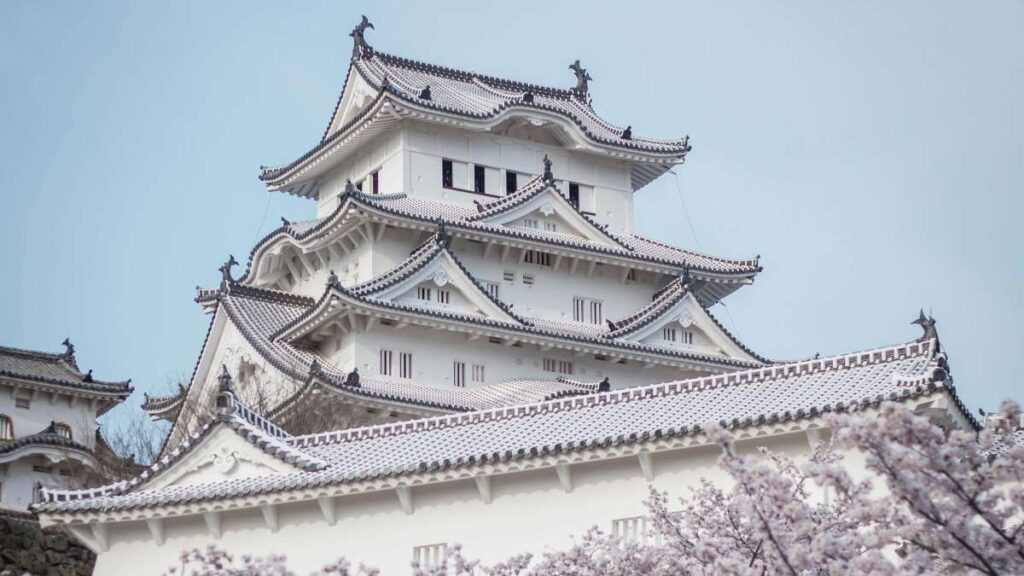
Often referred to as the White Heron Castle, Himeji Castle is Japan’s most impressive surviving feudal castle.
Originally built in the 14th century and expanded in the early 1600s, the castle is famous for its elegant white exterior and complex defensive design, including hidden pathways, steep staircases and fortified gates.
Unlike many other Japanese castles that were destroyed during wars or earthquakes, Himeji Castle has remained largely intact for centuries and is now both a UNESCO World Heritage Site and a National Treasure.
Interesting fact: The castle complex contains over 80 buildings connected by gates and winding paths designed to confuse attackers.
#6. Kinkaku-ji (Golden Pavilion)
Location: Kyoto
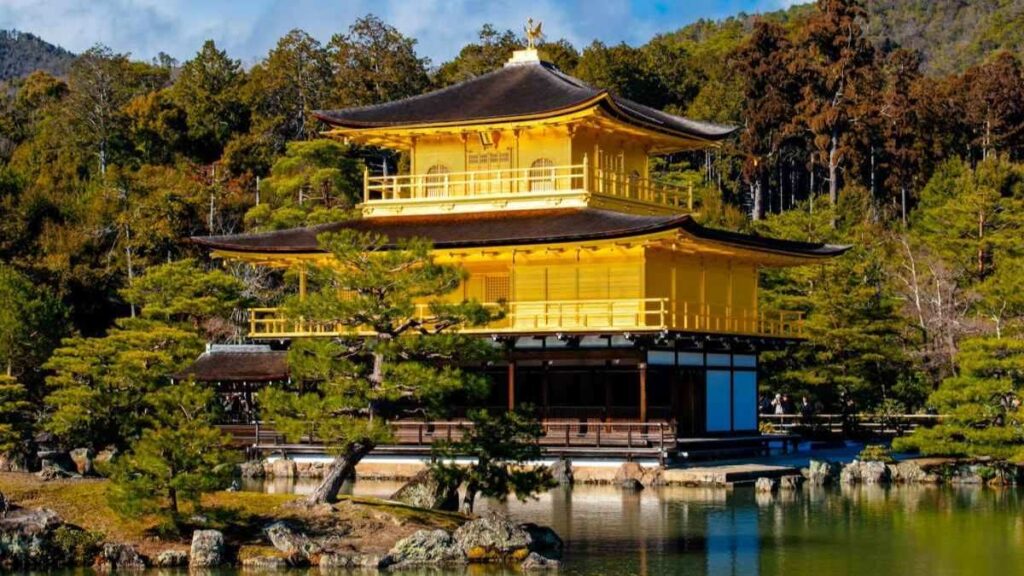
Kinkaku-ji, also known as the Golden Pavilion, is one of Kyoto’s most famous temples.
The top two floors of the pavilion are covered in gold leaf, creating a striking reflection in the surrounding pond. The temple originally served as a retirement villa for a shogun before being converted into a Zen Buddhist temple.
Over the centuries the building has been destroyed and rebuilt several times, including after a famous arson attack in 1950.
Interesting fact: The current structure dates from 1955, but it was rebuilt exactly to match the original design.
#7. Arashiyama Bamboo Grove
Location: Arashiyama district, Kyoto
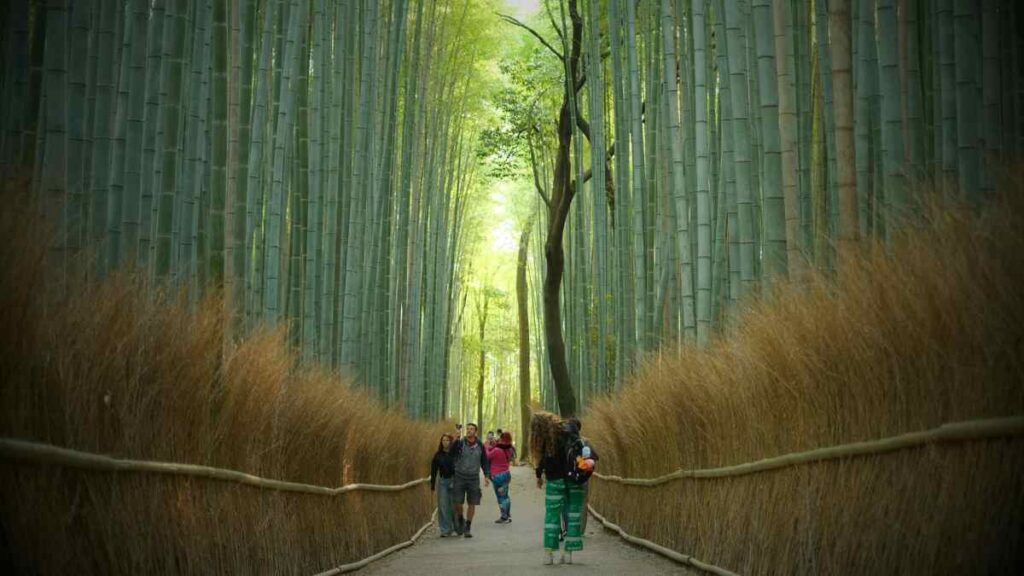
The Arashiyama Bamboo Grove is one of Japan’s most photographed natural landmarks.
Walking along the narrow pathways between the towering bamboo stalks creates an almost otherworldly atmosphere as the trees sway gently in the wind.
The bamboo forest is part of the larger Arashiyama area, which also includes the famous Togetsukyo Bridge, Tenryu-ji Temple and scenic river views.
Interesting fact: The sound of the bamboo rustling in the wind has been recognised as one of Japan’s “100 Soundscapes” worth preserving.
#8. Tokyo Tower
Location: Minato district, Tokyo
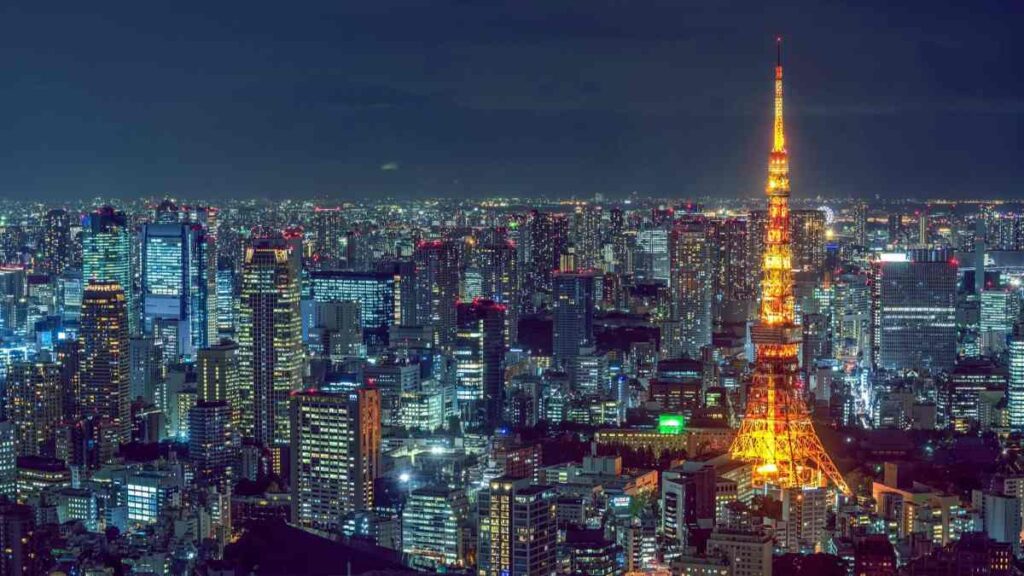
Standing at 333 metres tall, Tokyo Tower was built in 1958 and quickly became one of the city’s most recognisable landmarks.
The design was inspired by the Eiffel Tower, although Tokyo Tower is slightly taller and painted bright red and white to comply with aviation safety regulations.
Visitors can head up to the Main Deck and Top Deck observation platforms for panoramic views across Tokyo. Undernearth, you’ll find five stories of shops, souvenirs and entertainment.
Interesting fact: On very clear days, you can sometimes see Mount Fuji from the observation deck.
#9. Itsukushima Shrine Floating Torii Gate
Location: Miyajima Island, Hiroshima Prefecture
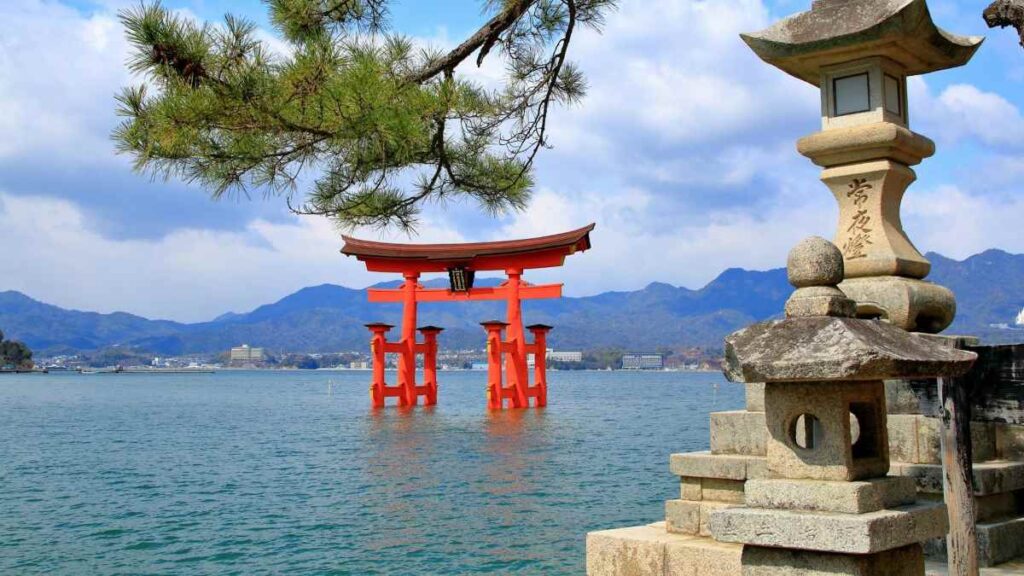
The famous torii gate of Itsukushima Shrine appears to float on the sea during high tide, making it one of the most iconic sights in Japan.
The shrine itself dates back to the 12th century and was built on stilts over the water because the island was considered sacred.
Visitors can walk right up to the gate at low tide or admire the view from the shrine and nearby viewpoints.
Interesting fact: Miyajima Island is also home to friendly wild deer that roam freely around the shrine and village.
#10. Snow Monkeys of Jigokudani
Location: Nagano Prefecture
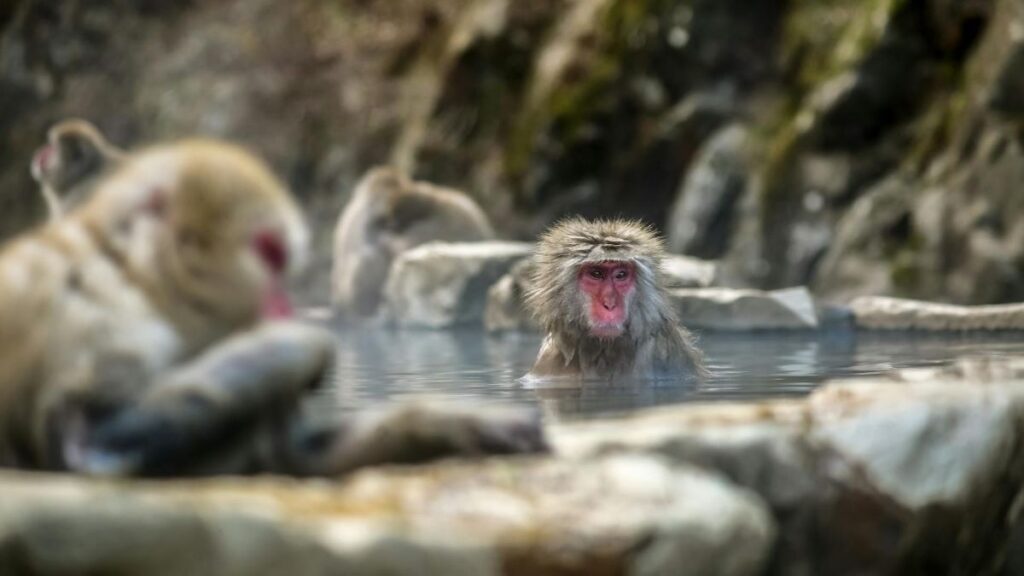
Jigokudani Monkey Park is famous for its population of Japanese macaques, commonly known as snow monkeys.
During the winter months these monkeys gather around the park’s natural hot springs, often bathing in the warm water while surrounded by snow.
The park was established in 1964 to protect the monkeys and allow visitors to observe them in their natural habitat.
Interesting fact: The name “Jigokudani” means “Hell Valley,” referring to the steam rising from the hot springs in the cold mountain air.
#11. Senso-ji Temple
Location: Asakusa, Tokyo
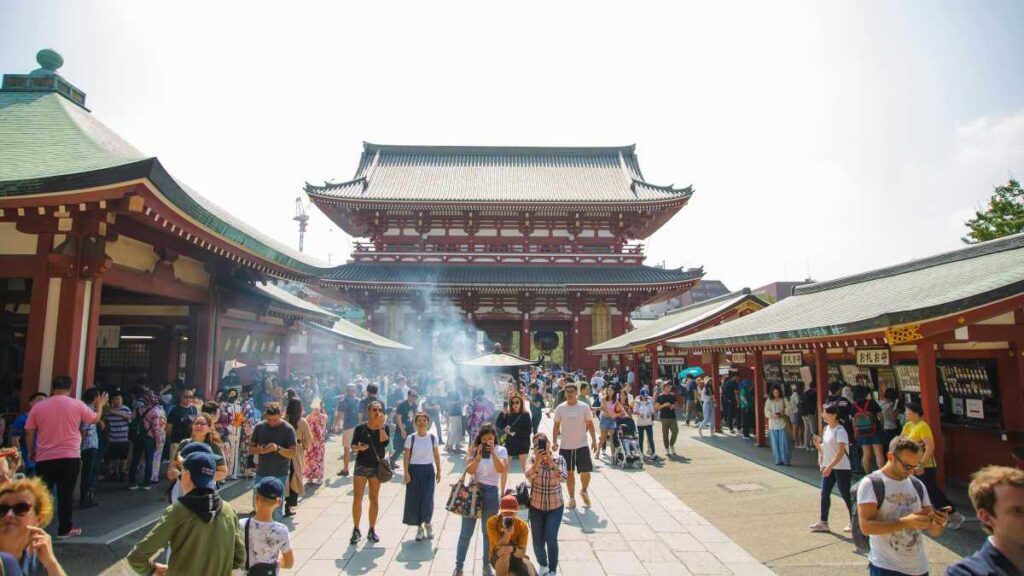
Senso-ji is the oldest temple in Tokyo, originally founded in 628 AD. It is also one of the most visited spiritual sites in the entire country.
Visitors enter through the famous Kaminarimon Gate, marked by a giant red lantern that has become one of Tokyo’s most photographed landmarks.
Leading up to the temple is Nakamise Street, a lively shopping street lined with stalls selling traditional snacks, souvenirs and sweets.
The temple complex includes a beautiful five-storey pagoda, incense-filled prayer areas and several smaller shrines.
Interesting fact: According to legend, the temple was founded after two fishermen discovered a statue of the Bodhisattva Kannon in the nearby Sumida River.
If you’re exploring the capital, Senso-ji is one of the highlights featured in our guide to things to do in Tokyo for families.
#12. Nara Deer Park
Location: Nara, about 45 minutes from Kyoto
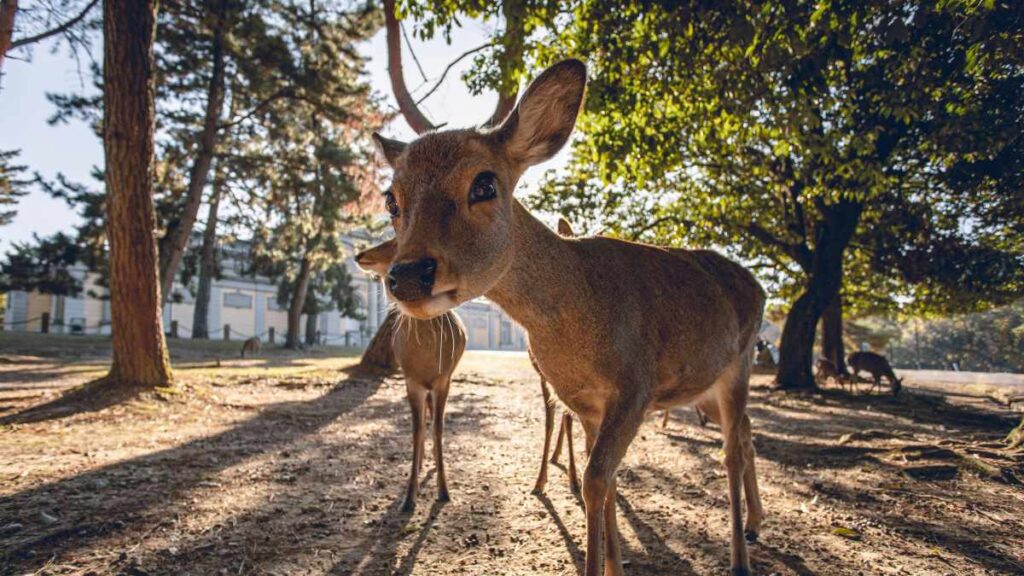
Nara Park is famous for its population of over 1,000 freely roaming deer that wander through the park and surrounding temple grounds.
In Japanese culture, deer are considered sacred messengers of the gods, which is why they have long been protected in this area.
Visitors can purchase special deer crackers (shika senbei) to feed the animals. Many of the deer have even learned to bow politely to visitors before receiving food.
Within the park you’ll also find one of Japan’s most important temples, Todai-ji, which houses a massive bronze Buddha statue.
Interesting fact: The Great Buddha inside Todai-ji is one of the largest bronze Buddha statues in the world.
#13. Tokyo Skytree
Location: Sumida district, Tokyo
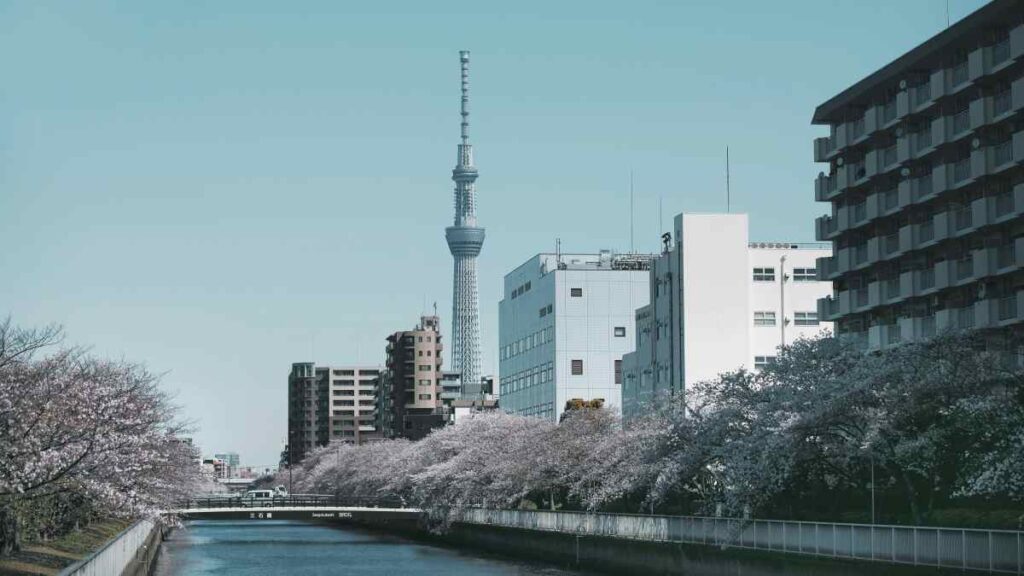
Standing at 634 metres, Tokyo Skytree is the tallest structure in Japan and one of the tallest towers in the world.
Completed in 2012, the tower serves as a broadcasting tower and observation deck offering spectacular panoramic views across the city.
Visitors can travel up to two observation levels:
- Tembo Deck (350m)
- Tembo Galleria (450m)
At the base of the tower is Tokyo Solamachi, a large shopping and entertainment complex with hundreds of shops, restaurants and attractions including an aquarium.
Interesting fact: The height of 634 metres was chosen because the numbers 6-3-4 can be read as “Musashi,” an old name for the historic region where Tokyo is located.
FAQs on famous places in Japan
The most famous place in Japan is Mount Fuji, the country’s highest mountain and an iconic national symbol. The nearly symmetrical volcano has been considered sacred for centuries and is one of the most photographed landscapes in Japan. Many visitors travel to nearby areas like Lake Kawaguchi or Hakone for the best views.
One of the most visited landmarks in Japan is Fushimi Inari Shrine in Kyoto, famous for its thousands of red torii gates that form tunnels through the forest. The shrine attracts millions of visitors each year who come to walk the scenic mountain trails lined with the iconic gates.
okyo is home to several famous landmarks including Shibuya Crossing, the world’s busiest pedestrian crossing; Senso-ji Temple, the oldest temple in Tokyo; Tokyo Tower, a landmark observation tower inspired by the Eiffel Tower; and Tokyo Skytree, the tallest structure in Japan. These sites showcase the mix of history, culture and modern city life that makes Tokyo unique
Some of the most famous places to visit in Japan include Mount Fuji, Fushimi Inari Shrine in Kyoto, Hiroshima Peace Memorial Park, Himeji Castle, Arashiyama Bamboo Grove and Itsukushima Shrine on Miyajima Island. These destinations represent Japan’s history, natural beauty and cultural traditions.
Many travellers consider Mount Fuji and the surrounding Fuji Five Lakes region to be among the most beautiful places in Japan. Other stunning locations include the Arashiyama Bamboo Grove in Kyoto, the floating torii gate at Itsukushima Shrine, and the historic temples and gardens throughout Kyoto.
Planning a trip to Japan?
If you’re planning a family holiday to Japan, these guides may also help:
- A Practical Guide to Visiting Tokyo with Kids
- Things to Do in Tokyo for Families
- Best Family-Friendly Hotels in Tokyo
- teamLab Tokyo With Kids: A Family Guide to Planet vs Borderless
For more inspiration, you can also explore our complete Japan family travel guide and other Japan articles.
Where to next?
📌 Save this article to Pinterest so you’ll have it handy when planning your own trip.
Let me know what you think!