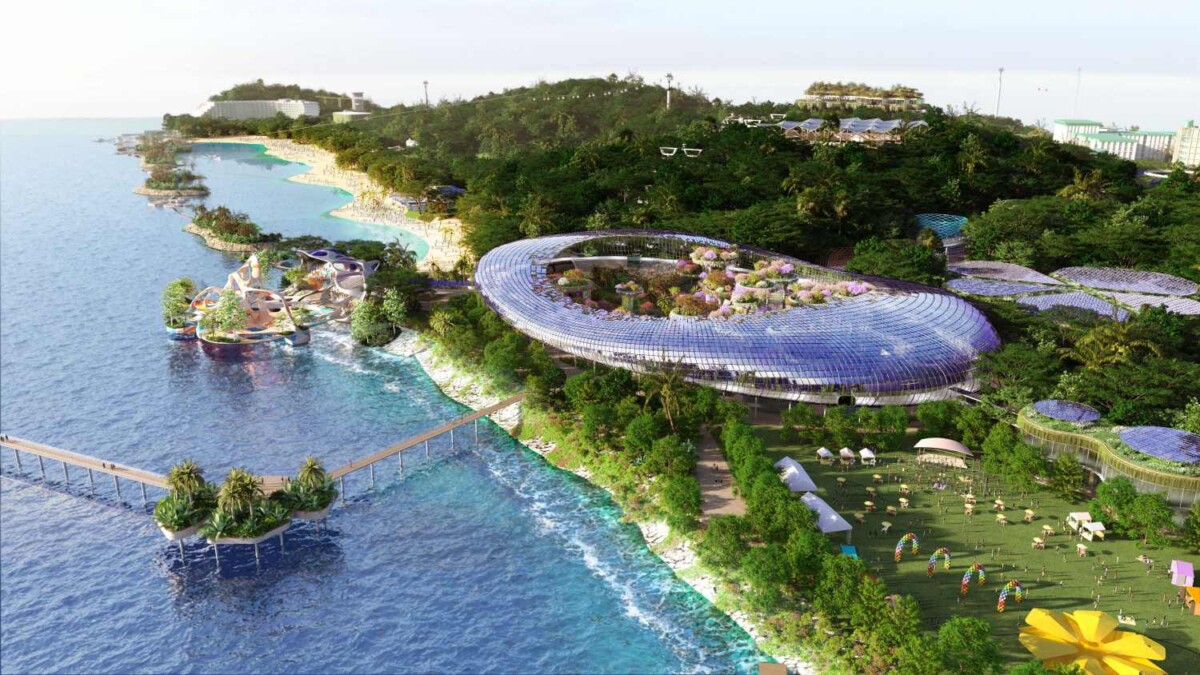
Sentosa is set for its biggest transformation yet, with plans to expand Singapore‘s popular leisure island into a much larger destination featuring new attractions, hotels, reimagined beaches and improved transport connections.
Sentosa Development Corporation (SDC) has unveiled the next stage of its Greater Sentosa Master Plan, a long-term project that will integrate Sentosa with the neighbouring 120-hectare Brani. The transformation will roll out progressively over the next two decades, with new developments expected to begin coming online from the early 2030s.

When Greater Sentosa is eventually completed, SDC expects the expanded destination to attract around twice as many visitors as Sentosa does today.
Sentosa and Brani to become Greater Sentosa
At the heart of the master plan is the integration of Sentosa and Brani, opening up substantial new space for tourism development.
Brani West is intended to become one of the largest attraction development sites within Greater Sentosa, with SDC already engaging potential partners about future projects. The wider plan encompasses new hotels, attractions, lifestyle experiences, nature-based activities and public spaces.
For visitors, however, some of the most noticeable changes could come to Sentosa itself, where several new landmarks and experiences are planned.
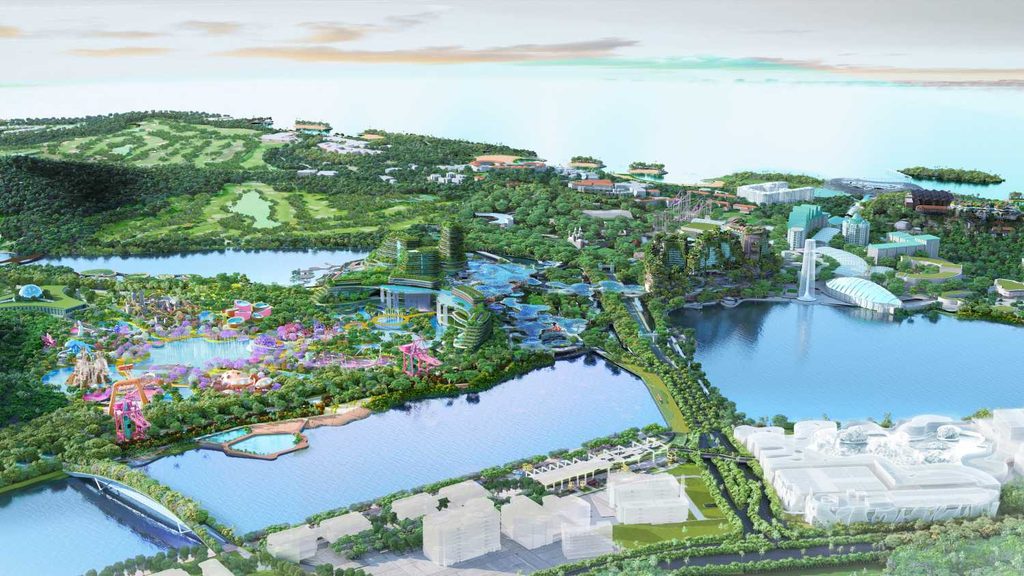
New attractions planned for Sentosa
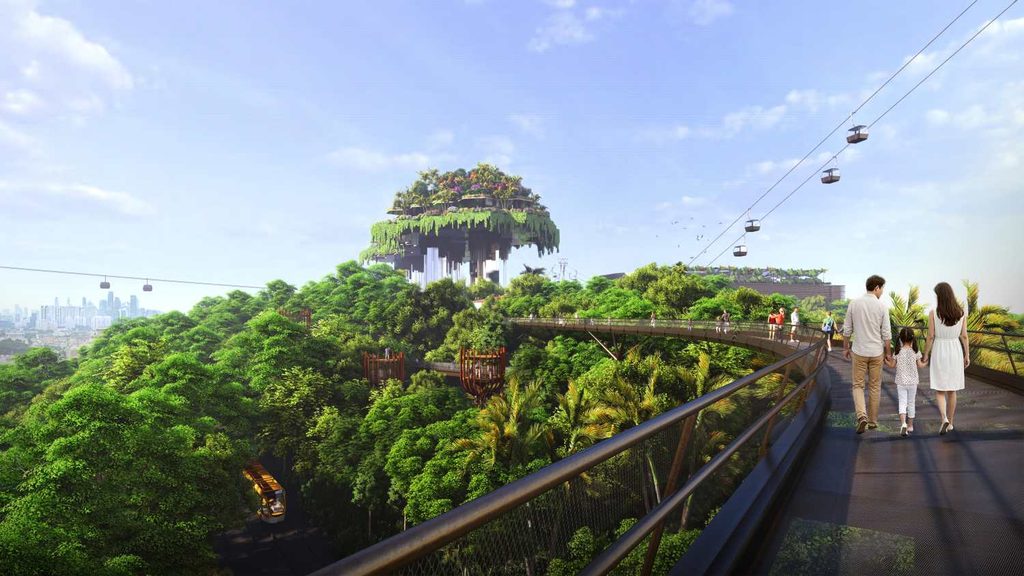
One of the proposed new landmarks is Imbiah Canopy, which is planned for the top of Mount Imbiah.
Designed as both a landmark and vantage point, Imbiah Canopy is expected to include attractions, dining, retail and sheltered event spaces. A treetop skywalk is also planned, connecting visitors with nature-based experiences and walking trails towards Siloso Beach.
The proposed Imbiah Lookout Walk would provide another elevated forest experience, with a sheltered canopy walk connecting Sensoryscape with Imbiah Lookout and surrounding trails. Longer-term plans could eventually extend these nature and heritage trails to Singapore’s Southern Ridges, while forests across Brani, Serapong and Imbiah are intended to form a more continuous green network.
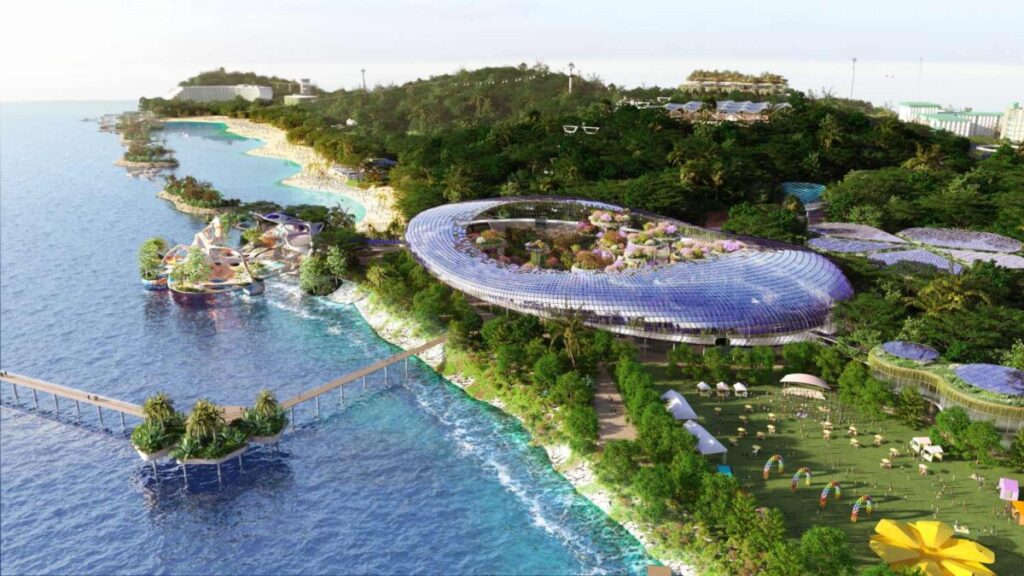
Another major addition is Sensorium, envisioned as a new beachfront landmark housing lifestyle and indoor attractions as well as a multi-purpose venue for festivals and events.
The plans come alongside other developments already in the pipeline at Resorts World Sentosa, including its Waterfront Lifestyle Development, scheduled for completion in 2030, and SUPER NINTENDO WORLD at Universal Studios Singapore.
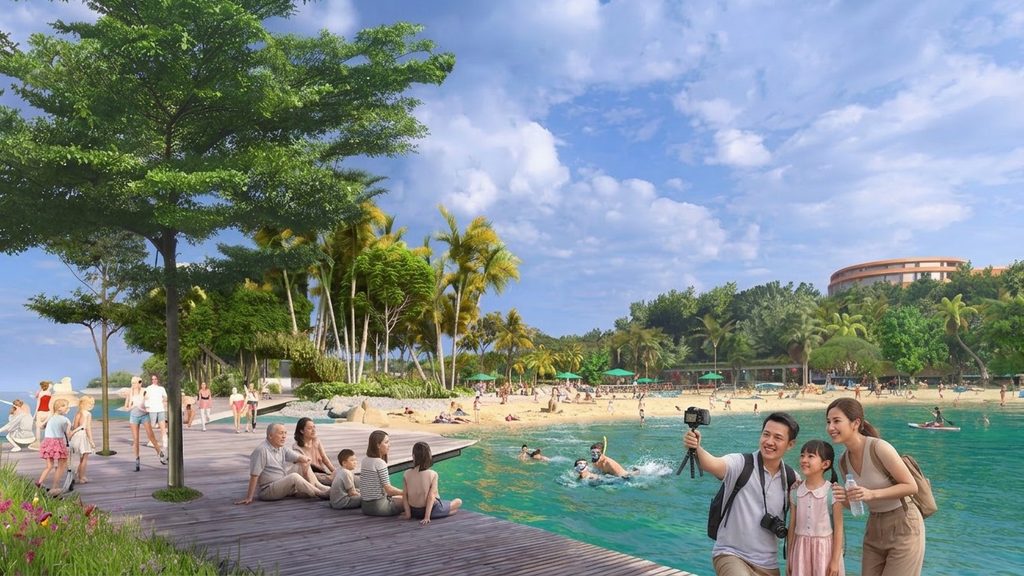
Sentosa’s beaches are getting a rethink
The master plan also proposes major changes to Sentosa’s Siloso, Palawan and Tanjong beaches. All three are earmarked for rejuvenation, combining coastal protection measures with new leisure and lifestyle experiences.
Among the concepts being explored are new beach clubs designed around sunrise and sunset views, treetop dining and a floating boardwalk connecting small islets along Sentosa’s coastline. SDC says the proposed islet-hopping experience would stretch across approximately 3km of beaches, giving visitors another way to explore the island’s coastline and surrounding waters.
The beach precincts are also intended to become more flexible day-to-night destinations, accommodating recreation, dining, relaxation and community gatherings.
A new transport system could replace the Sentosa Express
Getting to and around Sentosa could also change significantly. The proposed Island Heart Transport Hub would become a major gateway to Greater Sentosa and connect Sentosa with Brani.
SDC also intends to introduce a new People Mover System to replace the existing Sentosa Express. The new system would provide greater passenger capacity as visitor numbers increase and connect the mainland with Island Heart and other parts of the destination.
Other transport options under consideration include water taxis and additional waterfront connections, alongside the existing Singapore Cable Car network.
Nature remains part of the plan
Despite the scale of the proposed development, SDC says sustainability, climate resilience and nature will play an important role in how Greater Sentosa evolves. Future development is intended to incorporate additional greenery, shaded movement routes, green infrastructure and measures designed to improve thermal comfort in Singapore’s tropical climate.
Coastal protection will also form part of the redevelopment, helping address erosion and future sea-level rise while creating opportunities for new waterfront trails and experiences.
The recently completed Sensoryscape provides an early example of the approach. The 350m landscaped connector between Resorts World Sentosa and the beaches combines gardens, shaded areas, digital experiences and ecological features including native planting and a butterfly corridor.
Environmental studies and consultation with nature groups will continue to inform future stages of the master plan.
When will Greater Sentosa be completed?
Greater Sentosa is a long-term project rather than a single redevelopment with one opening date. Developments are expected to come online progressively from the early 2030s, with the overall transformation taking place over approximately two decades.
Some elements are also still at the concept or study stage, meaning the final Greater Sentosa could evolve considerably before everything is built. What is clear is the scale of Singapore’s ambition for the destination.
Sentosa received more than 16 million visitors between April 2024 and March 2025. If SDC’s long-term projections are realised, Greater Sentosa could eventually attract roughly twice Sentosa’s current visitor numbers, backed by a much larger collection of attractions, accommodation, beaches, nature experiences and transport infrastructure.
For families travelling to Singapore, that could make an already attraction-packed island an even bigger part of a future Singapore itinerary.
Let me know what you think!