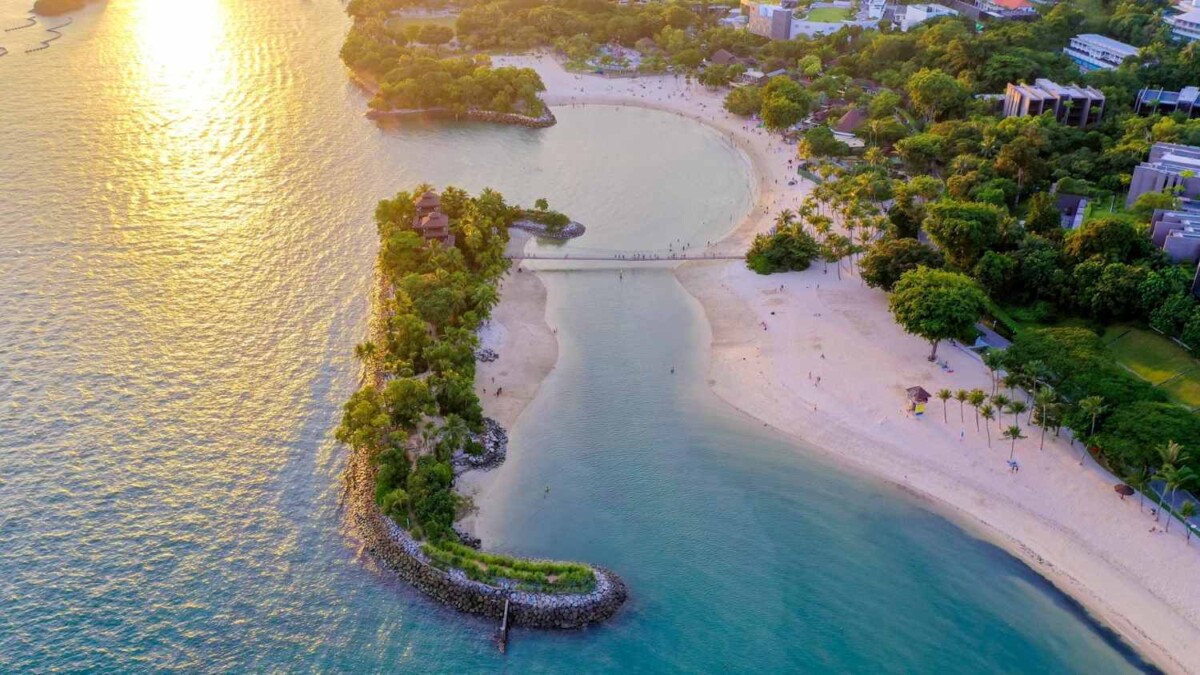
Singapore often gets overlooked by Australian families planning trips to Asia. Japan, Bali and Thailand tend to dominate the conversation, yet Singapore offers something that many parents value over anything else… ease.
From its compact size and efficient public transport to family-friendly attractions, green spaces and food options, Singapore removes many of the stresses that can make travelling with children challenging.

To learn more about why Singapore works so well for families, I recently sat down with Kimberly Spykerman from Singapore Tourism for the Family Holiday Destinations podcast.
Want to hear the full conversation? Hit play on the podcast episode below.
Why is Singapore so easy for families?
When I asked Kimberly what “ease” actually looks like for families visiting Singapore, she explained that much of it comes down to removing friction from the travel experience.
“It starts the moment you land,” she said.
With Jewel at Changi Airport offering dining, shopping and attractions before families even leave the airport precinct, the holiday experience begins immediately.
Once in the city, Singapore’s extensive MRT network and public transport system make it easy to move between attractions, cultural precincts, parks and dining destinations without long travel times.
“You can do culture, nature, food and play without spending half your holiday getting from one place to another,” Kimberly explained.
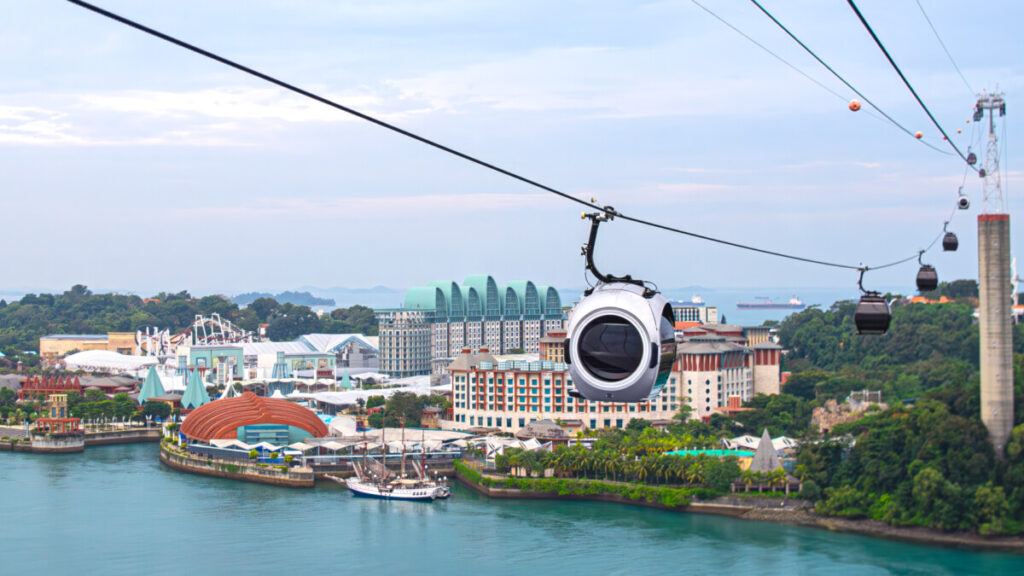
Why Singapore’s compact size matters
One of the things that stood out to me during my own visit was how little time is spent commuting.
Unlike larger destinations where families may spend hours travelling between attractions, Singapore allows families to fit more into each day while still maintaining flexibility.
Kimberly believes this is particularly valuable for families travelling with younger children.
“If plans need to change because a child gets tired or needs a break, you’re never far from another good option,” she said.
The ability to return to your hotel for a rest, then head back out later in the day without losing hours in transit can completely change the family travel experience.
Is Singapore a good first step into Asia?
Japan is currently one of the most popular destinations for Australian families, but Kimberly sees Singapore as an ideal first or next step into Asia.
“It’s a gentle, confidence-building introduction to Asia,” she said.
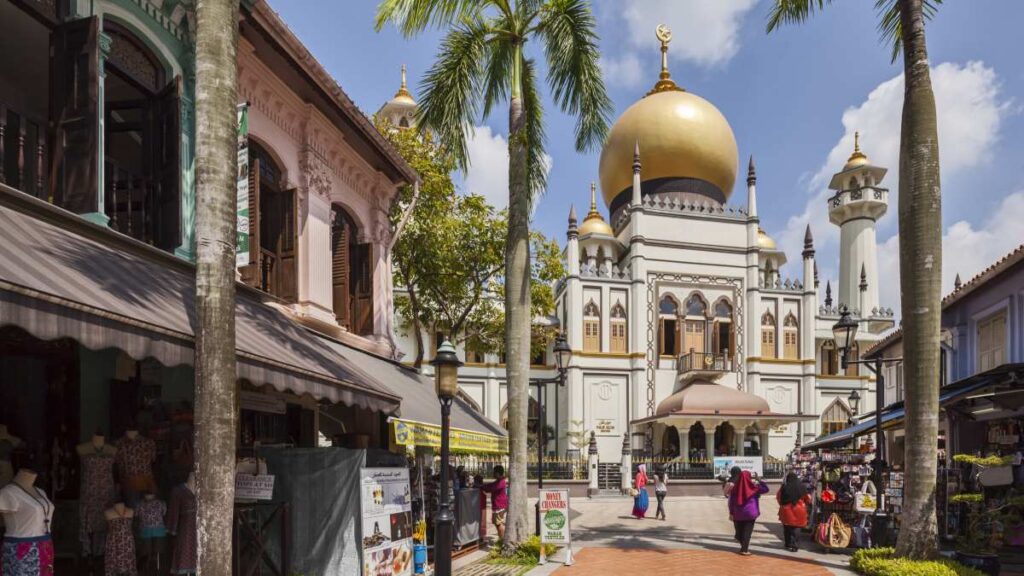
English is widely spoken, public transport is simple to navigate and families can experience Chinese, Malay, Indian and Eurasian cultures within a relatively small area.
For families with older children, this creates opportunities to explore different foods, traditions and cultural experiences without the complexity that can sometimes come with larger destinations.
Interestingly, Kimberly also suggested Singapore and Japan work exceptionally well together as a combined holiday.
Many travellers use Singapore as a stopover before or after Japan, allowing families to enjoy a few easy days before heading home.
New attractions families should have on their radar
Singapore is constantly evolving, and Kimberly highlighted several newer attractions families may not yet know about.
Mandai Wildlife Reserve’s Exploria
One of the newest additions is Exploria, an indoor multimedia experience at Mandai Wildlife Reserve.
The attraction uses interactive exhibits to teach children about ecosystems, wildlife and conservation through immersive experiences including dinosaur encounters, weather events and hands-on activities.
“It’s designed to make big ideas about nature feel accessible for children,” Kimberly said.
Singapore Oceanarium
Replacing and significantly expanding the former SEA Aquarium, the new Singapore Oceanarium is approximately three times larger than its predecessor.
The attraction features immersive exhibits, conservation storytelling and educational experiences designed to help children understand marine environments and conservation.
Where do local Singaporean families go?
While attractions like Sentosa and Singapore Zoo are famous, I was curious where local families actually spend their weekends.
According to Kimberly, one answer is simple: hawker centres.
“Hawker centres are the lifeblood of Singaporean community life,” she said.
They offer affordable meals, enormous variety and a chance to experience local culture alongside residents.
Beyond food, local families frequently visit:
- Jacob Ballas Children’s Garden at the Singapore Botanic Gardens
- East Coast Park
- Marina Barrage
- Children’s Museum Singapore
- Indoor playgrounds across the city
These destinations provide a mix of outdoor and indoor play, learning opportunities and relaxed family time away from major tourist attractions.
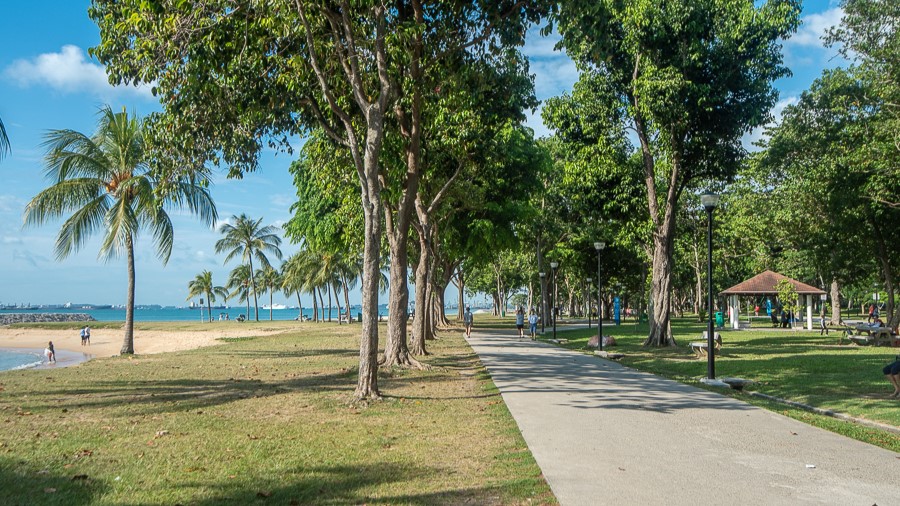
Singapore is greener than many people realise
One thing that surprised me during my own visit was just how green Singapore feels.
Despite being a major city, parks, gardens and nature spaces seem to be woven into everyday life.
Kimberly explained that Singapore doesn’t view nature as separate from the city.
“You’ll see greenery everywhere – in parks, walkways, rooftop gardens and public spaces,” she said.
Families can easily access mangroves, wetlands, rainforest trails, coastal parks and wildlife experiences without travelling far from the city centre.
For parents travelling with energetic children, that access to green space can be invaluable.
Experiencing Singapore through food
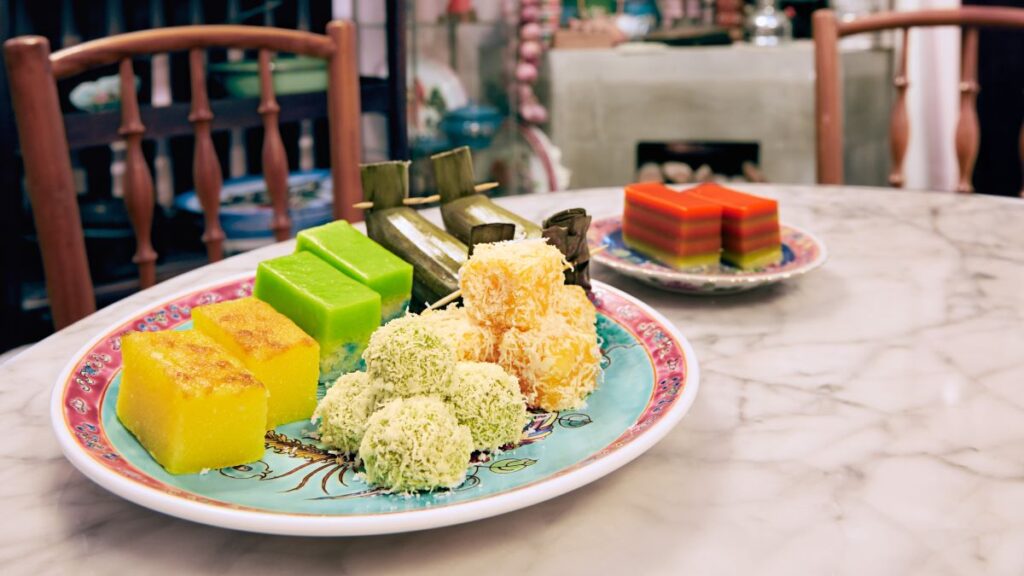
Food is one of Singapore’s greatest strengths for family travel.
As someone who has travelled with a picky eater, I mentioned that Singapore was one of the easier destinations I’ve visited when it came to finding food children would actually eat.
Kimberly wasn’t surprised.
Singapore’s mix of cuisines means families can find everything from simple chicken rice and noodles through to more adventurous local dishes.
Her recommendations include:
- Maxwell Food Centre
- Lau Pa Sat
- Makansutra Gluttons Bay
She also encouraged families to try a traditional Singaporean breakfast of kaya toast and coffee, one of the city’s most beloved local experiences.
For more adventurous families, cultural precincts such as Chinatown, Little India and Katong-Joo Chiat offer opportunities to explore Singapore’s diverse culinary heritage.
A 7-day Singapore itinerary for families
If you have a full week in Singapore, Kimberly suggests slowing down and experiencing the city at a relaxed pace.
Her ideal itinerary includes:
Days 1-2
- Marina Bay
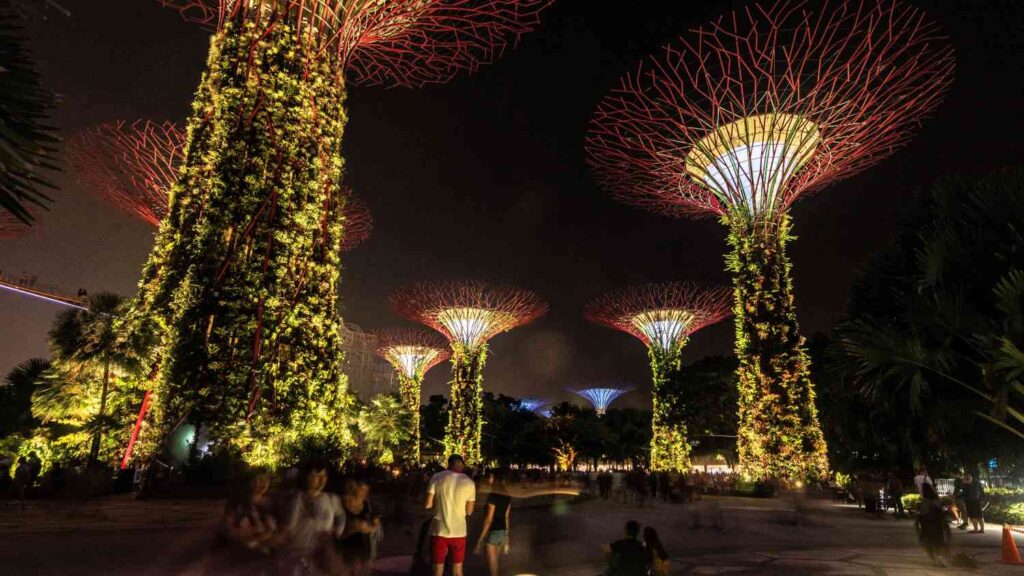
- Gardens by the Bay
- City sightseeing
Day 3
- Explore cultural precincts such as Chinatown, Little India or Kampong Glam
Days 4-5
- Sentosa attractions
- Universal Studios Singapore
- Singapore Oceanarium
- Beach time
Day 6
- Mandai Wildlife Reserve
- Singapore Zoo
- Night Safari
- Bird Paradise
Day 7
- East Coast Park or Botanic Gardens
- Hawker centre dining
- Jewel Changi Airport before departure
The key, Kimberly says, is not trying to rush through a checklist.
“Give each day a clear theme and allow yourself flexibility.”
Final thoughts
After speaking with Kimberly, I came away even more convinced that ease is Singapore’s greatest family travel superpower.
It offers culture, nature, food, attractions and learning opportunities in a destination that’s compact, efficient and remarkably easy to navigate.
For families looking for a first introduction to Asia, or simply a destination that takes some of the stress out of travelling with kids, Singapore deserves to be much higher on a family bucketlist.
Let me know what you think!