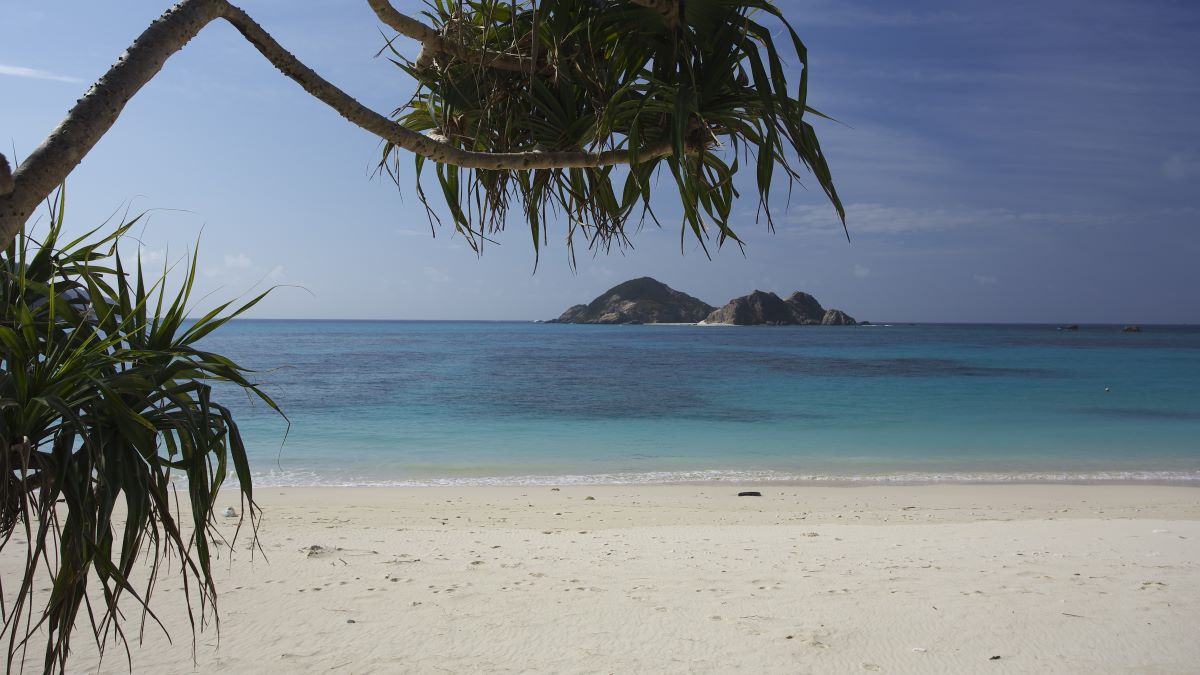
Japan’s big cities have plenty to keep families busy. But what if a Japan holiday could also include white sandy beaches, island hopping and days without a packed itinerary?
That’s the appeal of Okinawa, according to Toni from Linkd Tourism, who joined me on the Family Holiday Destinations podcast to discuss a different side of Japan.

For Australian families who love tropical holidays in places like Fiji or Bali, Okinawa offers an interesting alternative: an island escape with Japanese hospitality and a distinctive culture of its own. For the travel industry, it’s also an opportunity to broaden the conversation about what a family holiday in Japan can look like.
Listen to the full podcast
Prefer to listen? Hear my conversation with Toni in the podcast below, where we explore Okinawa’s culture, island-hopping options and appeal for Australian families. The full episode also includes family travel news and a practical tip for balancing a busy Japan itinerary with time to unwind.
More than the ‘Hawaii of Japan’
Okinawa is often described as the Hawaii of Japan. While the comparison brings its beaches and subtropical setting to mind, Toni says the similarities extend to its cultural history. Just like Hawaii was once an independent sovereign nation known as the Hawaiian Kingdom, Okinawa was once part of the independent Ryukyu Kingdom, and that heritage continues to shape its food, music, traditions and architecture.
“Okinawa has its own cultural identity, which makes it feel like you’re discovering something really different and special,” Toni says.
Even its colours tell a different story. During our conversation, Toni describes bright patterns and floral motifs that may feel more familiar to travellers who enjoy Pacific island destinations than those expecting the aesthetic of mainland Japan.
For families, that difference is part of the attraction. Okinawa offers an opportunity to experience another layer of Japan, rather than simply swapping a city hotel for a beach resort.
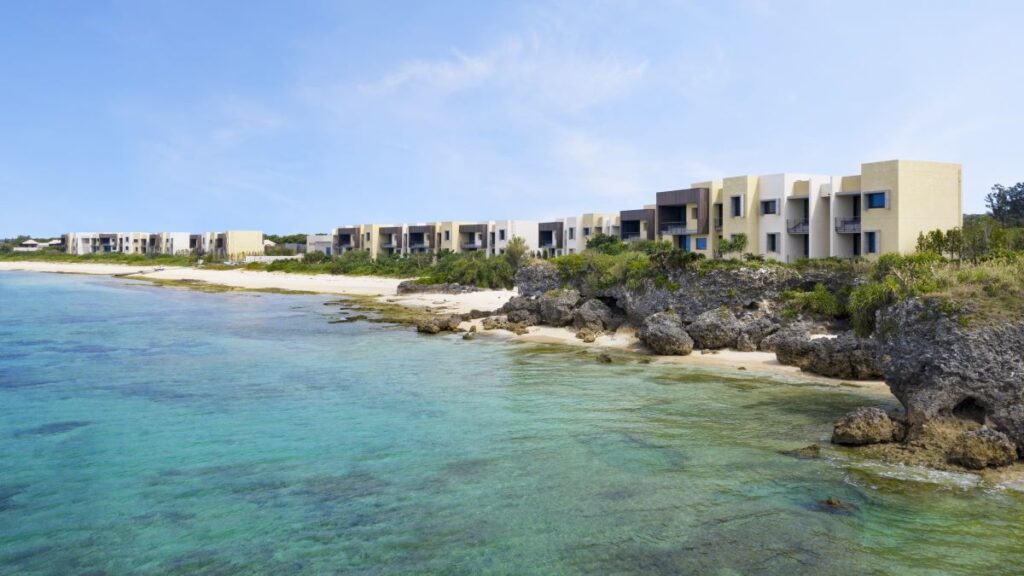
A slower pace for family travel
Asked what most distinguishes Okinawa from mainland Japan, Toni points to the pace.
“Honestly, it’s almost like visiting a different country. I would say the biggest difference is the pace. Everything in Okinawa is slower and a little bit more relaxed.”
Her advice is to approach a visit with flexibility. Rather than building each day around a series of timed attractions, families can leave room for a beach stop, a local café or a sunset worth lingering over. That doesn’t mean there’s little to do. It means allowing the destination to shape the day, instead of feeling compelled to move on to the next booking.
For parents who have spent the first part of a Japan trip navigating busy stations, theme parks and city sightseeing, that could be a welcome change to end the holiday at a more relaxed pace.
Island hopping to suit different families
Island hopping is one of Okinawa’s strengths, and Toni says families can choose an approach that suits their children’s ages and appetite for adventure.
From Okinawa’s main island, bridge-connected islands such as Kouri and Sesoko offer opportunities to explore by car. For families who want to venture onto the water, Toni highlights the Kerama Islands, including Tokashiki and Zamami, for their snorkelling appeal. Further afield, the Yaeyama Islands offer another style of holiday. Toni suggests Ishigaki as a potential base for exploring neighbouring islands such as Taketomi and Iriomote.
The appeal is the variety. Families can build a trip around beaches and resort time, or include more nature and cultural experiences. Rather than trying to visit as many islands as possible, the conversation comes back to choosing the experiences that suit your family and leaving enough time to enjoy them.
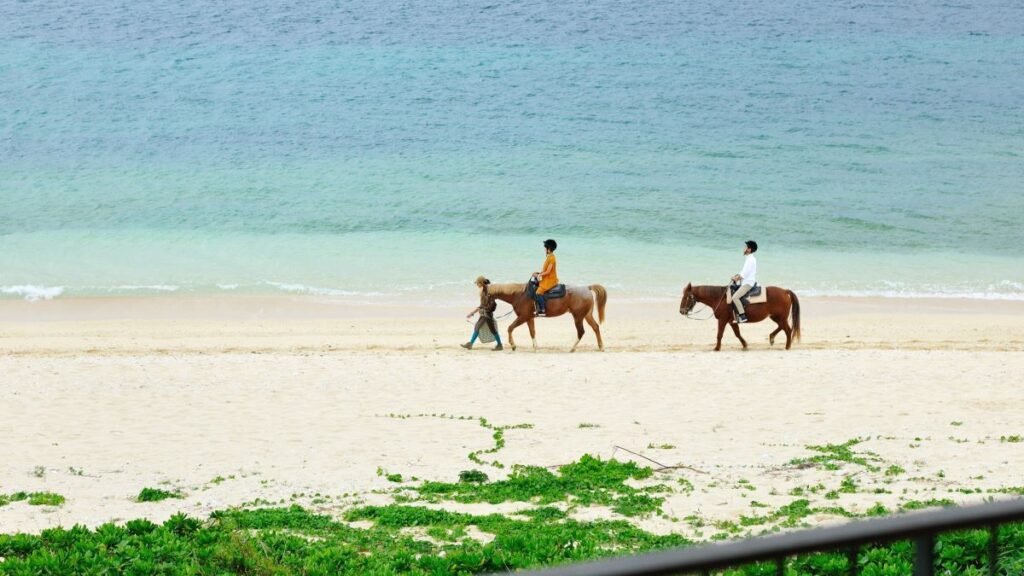
Beyond the beaches: Culture, nature and shared experiences
Although the coastline might first attract attention, Toni is keen to highlight what families can experience beyond the beach. One of her recommendations is Okinawa Churaumi Aquarium, particularly for the opportunity to connect a family outing with learning about marine life.
“I think aquariums should be more than just a place to see the fish,” she says.
Cultural experiences are another highlight. Toni points to Eisa, Okinawa’s distinctive performance tradition incorporating drumming and dance, as a memorable way to encounter local culture. She is particularly enthusiastic about opportunities that invite visitors to participate, rather than simply watch.
For older children and teenagers, she also highlights snorkelling and kayaking experiences, including exploring mangrove environments. Combined with beaches and cultural activities, these offer families different ways to spend time together.
Food is part of the experience
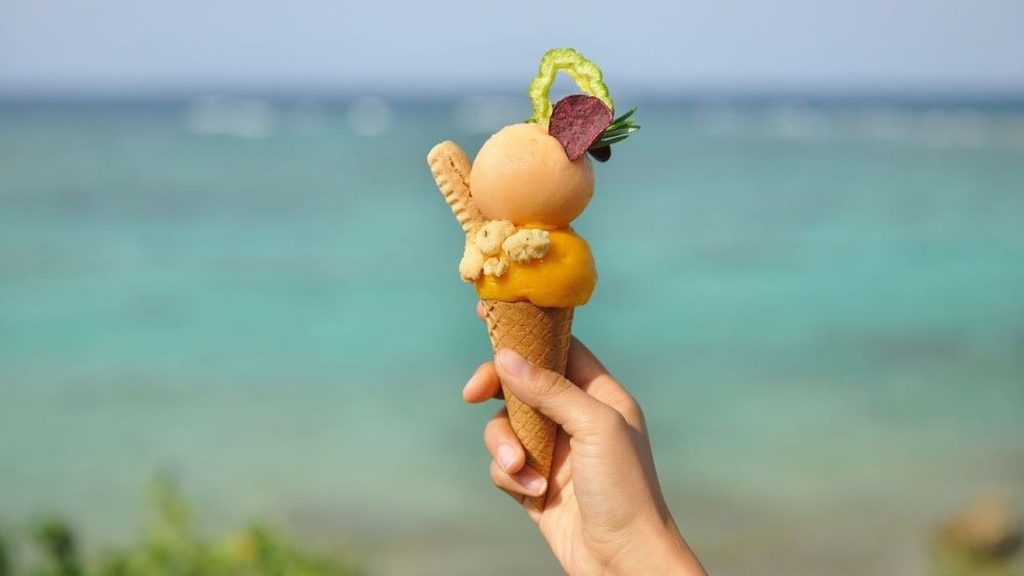
For many Australian families, food is already a major reason to visit Japan. Toni sees Okinawa’s food culture as another point of difference. During our conversation, she describes a food scene shaped by different cultural influences, with its own identity alongside the Japanese flavours visitors may already know.
Her discussion of Okinawa’s association with longevity also returns to everyday habits: enjoying fresh food, spending time outdoors and connecting with the local environment. For most families, it will be about making room for those pleasures during a holiday rather than pursuing a particular wellness experience.
Planning around a different transport experience
Okinawa requires a different approach from the usual Japan itinerary built around trains. Toni recommends hiring a car to explore the main island beyond the urban centres, giving families flexibility over their stops and schedule. Driving on the left will feel familiar to Australians, although visitors still need to prepare for local driving requirements.
Planning note: Naha has a monorail, alongside other transport options, but it does not provide a rail network across the main island. Transport also varies between the outer islands, so families should plan around their chosen destinations rather than assume they can explore everywhere on foot or by bicycle.
Could Okinawa complement a mainland Japan holiday?
One of Toni’s strongest suggestions is to combine two styles of travel in one trip. Families could spend time enjoying mainland Japan’s cities and major attractions, then head to Okinawa for a slower finish.
“So you could potentially do a week in Okinawa before or after a week in mainland Japan,” she says.
For Australian families who enjoy tropical holidays but are curious about Japan, that combination could be particularly appealing. It creates space for both sightseeing and downtime, without expecting one destination to meet every holiday need. From an industry perspective, this is perhaps Okinawa’s clearest opportunity: helping families see that Japan can offer more than one style of holiday.
As Toni’s insights show, beaches, local culture, outdoor adventures and relaxed days can all be part of the same conversation as Japan’s better-known cities.
This article draws on my podcast interview with Toni from Linkd Tourism.
Let me know what you think!