
For decades, booking a hotel room has followed a fairly familiar formula. Travellers scroll through vague room categories like “standard,” “deluxe” or “suite,” compare a few photos, cross their fingers and hope the room matches expectations when they arrive.
But according to the Amadeus Travel Trends 2026 report, that model may be starting to change.

The report identifies “Pick ‘n’ Stays” as an emerging hospitality trend where travellers increasingly choose room features, experiences and lifestyle-focused add-ons based on how they actually want to live, work or relax during a trip.
Powered by new reservation technology, evolving guest expectations and AI-driven personalisation, hotels are beginning to move beyond traditional room categories and toward more customised stays.
What are personalised hotel stays?
Personalised hotel stays are an emerging hospitality trend where travellers choose specific room features, amenities and lifestyle-focused add-ons based on how they want to use the space.
According to the Amadeus Travel Trends 2026 report, hotels are increasingly moving beyond traditional room categories toward more customisable experiences powered by AI and advanced booking technology.
Personalisation is becoming an expectation
According to the report, personalisation is already standard across much of modern consumer life, from streaming services and online shopping to flight bookings and digital advertising. Hospitality, however, has traditionally lagged behind.
That may now be changing.
The report suggests hotels are increasingly embracing flexible, attribute-based booking systems that allow travellers to select specific room features and experiences rather than simply choosing between broad room types.
Examples outlined in the report include:
- rooms with reformer Pilates equipment
- wrap-around monitors for remote work
- blackout blinds
- superior soundproofing
- gaming-focused rooms
- wellness-focused add-ons
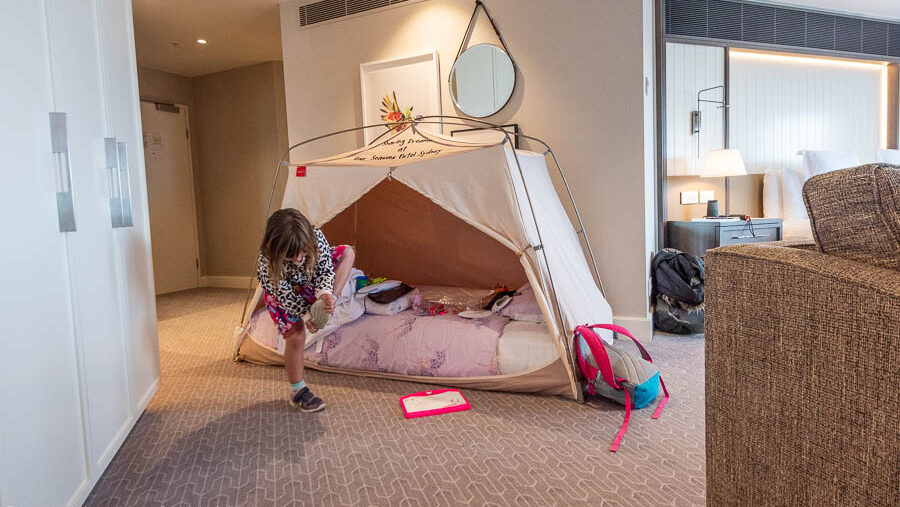
- adjoining family play spaces
- childcare credits
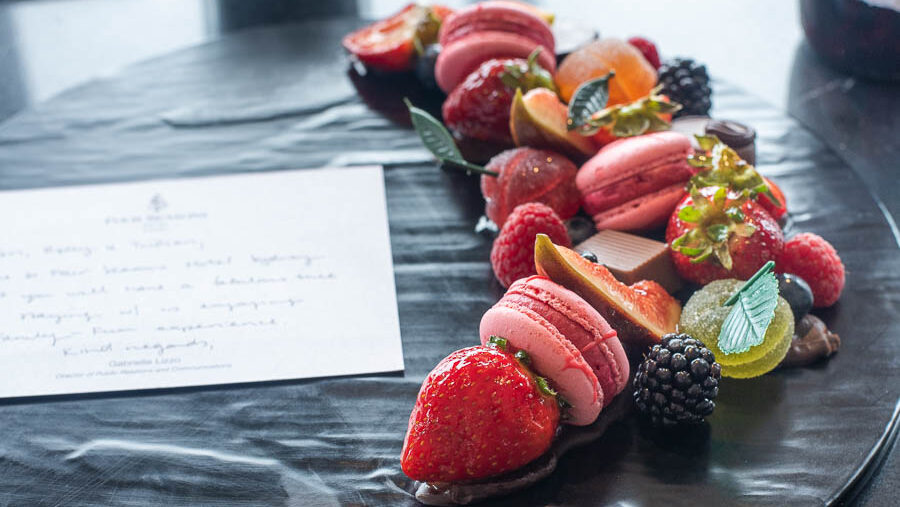
- late-night snack services
Rather than treating rooms as fixed products, the trend points toward hotels creating more modular and customisable experiences based on traveller preferences.
Travellers are willing to pay for tailored experiences
The commercial opportunity behind the trend is significant.
According to the Amadeus Travel Dreams survey of 6,000 travellers:
- 63% of travellers said they are willing to pay extra for specific room attributes beyond the standard daily rate
The report also identified differences between traveller types and generational preferences.
Among the examples highlighted:
- 17% of US business travellers said they would pay up to 20% more for business services such as printing
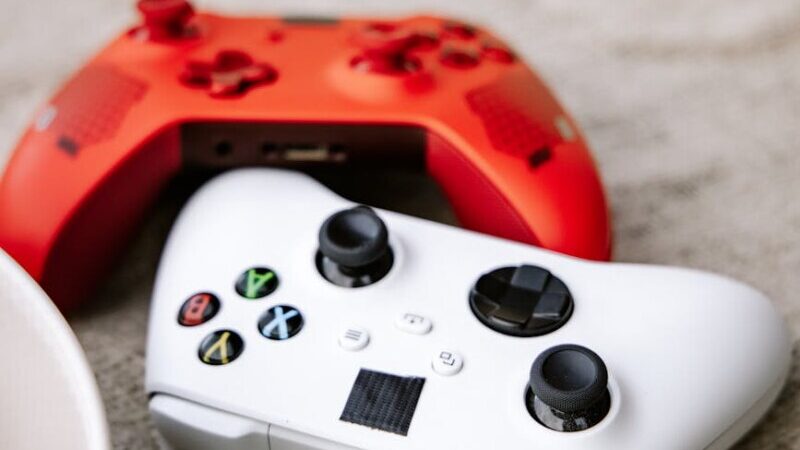
- 12% of Gen Z travellers said they would pay up to 25% more for gaming features such as an Xbox or premium TV channels
(Source: Amadeus Travel Trends 2026)
The findings suggest travellers increasingly value personalisation that aligns with how they intend to use a space, whether for wellness, work, entertainment or family travel.
AI and hotel technology are driving the shift
According to the report, one of the major factors enabling this trend is the evolution of hotel reservation systems and hospitality technology platforms.
Amadeus highlighted developments within its iHotelier reservations and booking engine, alongside integrations with hospitality technology company Shiji, as examples of systems helping hotels manage availability while enabling deeper personalisation.
The report suggests software integrations are allowing hotels to package room features, experiences and add-ons into more dynamic offers rather than relying solely on static room categories.
This could allow hotels to:
- upsell specific amenities
- bundle lifestyle-focused experiences
- create more targeted offers
- personalise recommendations using AI and guest data
The report argues that as generative AI becomes more integrated into travel booking platforms and search experiences, travellers may increasingly expect hotel recommendations to deliver the same level of speed and precision as AI-powered assistants.
The future hotel booking journey may look very different
The report also suggests personalisation could reshape the customer journey itself.
One example highlighted is Hotelverse, which allows travellers to explore a 3D digital twin of a property before booking. According to the report, guests can view hotel layouts, inspect room locations and choose specific rooms before arrival.
The report suggests this type of technology may reduce uncertainty while also increasing anticipation during the booking process.
Beyond room selection, the trend also opens new revenue opportunities for hotels.
Examples mentioned in the report include:
- wellness-focused minibar concepts
- luxury skincare add-ons
- designer fragrance experiences
- daytime room rentals
- post-checkout showers
- short-stay luggage and refresh packages
The report argues this “unbundling” of the hotel stay creates opportunities for hotels to monetise services and experiences that sit outside the traditional overnight booking model.
What could personalised hotel stays look like for families?
While the Amadeus reports focus broadly on hospitality trends, the implications for family travel are easy to see.
If hotels begin moving away from broad room categories and toward specific attributes, family accommodation could become far more flexible. Instead of simply booking a “family room,” parents may eventually be able to choose the features that actually make a stay easier.
That could include options such as:
- adjoining rooms or play spaces
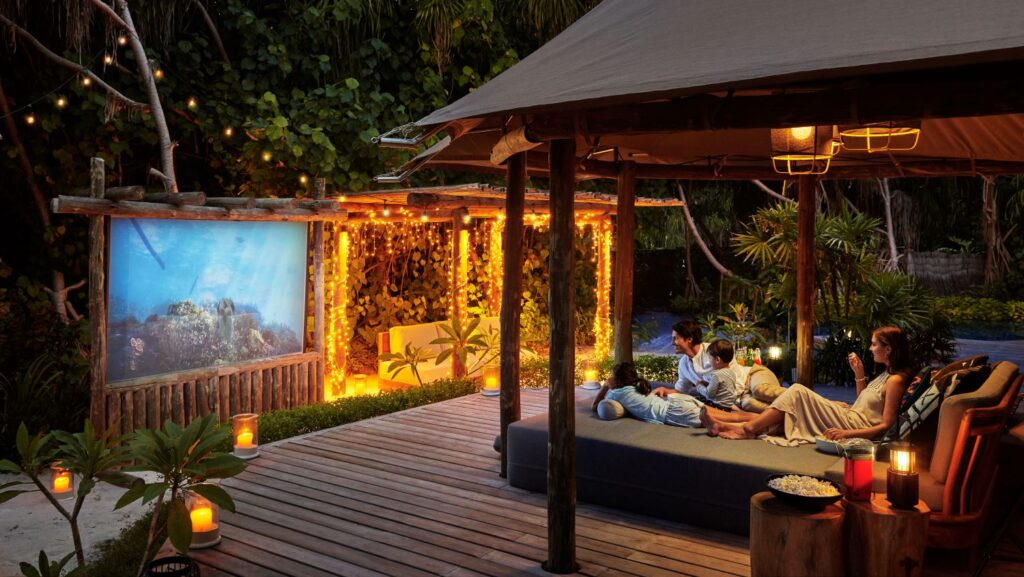
- movie-night packages
- Xbox or gaming add-ons
- baby and toddler sleep kits
- late-night snack options
- flexible check-in or late check-out
- local family experience kits
- wellness or sleep-focused packages
- in-room entertainment for rainy days
This matters because families often have very specific needs that are not always captured by traditional hotel room categories. A room may technically sleep four, but that does not mean it works well for a toddler, a teenager, a remote-working parent or a family arriving after a long-haul flight.
For family-focused hotels and resorts, personalised stays could become a practical way to improve guest satisfaction while also creating new revenue opportunities.
Technology still needs a human touch
The same Amadeus Travel Dreams 2026 report also makes one thing clear: travellers may want more personalisation, but they do not necessarily want the entire hotel experience automated.
The report found that hoteliers are investing heavily in AI and automation, with 499 out of 500 hoteliers surveyed planning to invest in AI capabilities in 2026. Average anticipated AI spending was US$319,000 per hotel.
However, travellers still preferred human-led service in most parts of the hotel stay. The only area where a majority preferred automation was in-room controls such as temperature, lighting and entertainment systems.
The report also found 77% of guests would leave a bad review because of poor customer service, rising to 83% among business travellers. Reviews remain highly influential, with 88% of travellers saying reviews are important when choosing where to stay.
(Source: Amadeus Travel Dreams 2026)
This is an important distinction. The future of hotel personalization may be powered by technology, but the guest experience still depends heavily on service, trust and human interaction.
From standard rooms to smarter stays
The traditional hotel room category is unlikely to disappear overnight. Price, location, cleanliness and safety remain the core factors travellers consider when choosing accommodation, according to Amadeus Travel Dreams 2026.
But the way those fundamentals are delivered is changing.
As travellers increasingly expect flexible, tailored and emotionally rewarding trips, hotels are looking at new ways to personalise the stay before guests even arrive. AI, booking technology and attribute-based merchandising are making it easier for hotels to sell not just a room, but the details that make that room work better for each traveller.
For families, that could mean more practical, flexible and genuinely useful accommodation options. For hotels, it could mean stronger guest satisfaction, better reviews and new revenue streams.
The standard hotel room may not be dead yet, but it is starting to look a little outdated.
FAQs
Personalised hotel stays allow travellers to select specific room features, amenities and add-ons tailored to their preferences, rather than booking generic room categories like “standard” or “suite.”
“Pick ‘n’ Stays” is a hospitality trend identified in the Amadeus Travel Trends 2026 report that describes hotels offering more flexible and customisable room experiences powered by AI and advanced booking technology.
According to Amadeus Travel Trends 2026, travellers are increasingly willing to pay extra for room features and experiences that match their lifestyle, work or wellness preferences.
Yes. The Amadeus 2025 Travel Dreams survey found 63% of travellers are willing to pay extra for specific room attributes beyond the standard room rate.
The report suggests AI and modern reservation systems are helping hotels create more personalised booking experiences by allowing guests to select room features, add-ons and tailored experiences more easily.
Let me know what you think!