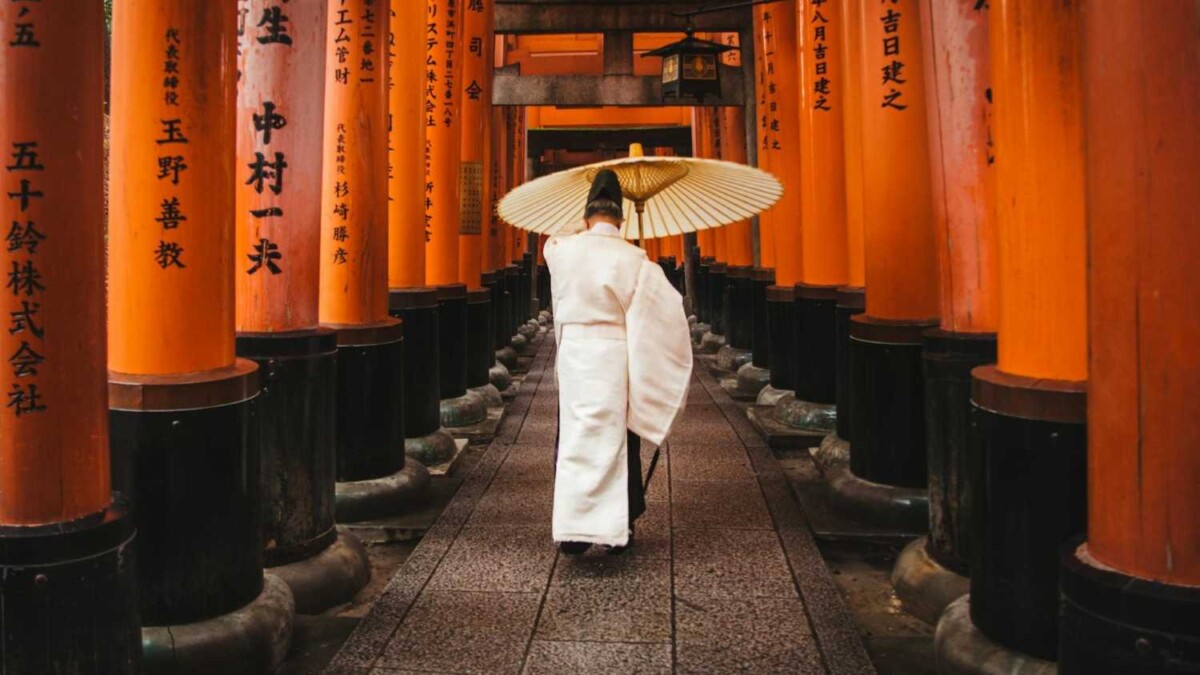
Japan is one of the easiest places in the world to travel with kids. It’s clean, safe, efficient, and full of thoughtful details that make family life feel surprisingly smooth. But Japan also runs on a set of “unwritten rules” that aren’t always obvious if you didn’t grow up with them.
The good news is locals are generally kind and forgiving with visitors. The even better news is that learning a few basics upfront will help you avoid awkward moments (and the occasional silent side-eye) and enjoy your trip more. This guide covers the most common cultural slip-ups families make and the simple Japanese etiquette swaps that keep everyone happy – locals, other travellers, and you.
Key takeaways
- Japan is a family-friendly destination but has unwritten rules you should know.
- Key points include: removing shoes indoors, using quiet voices on public transport, and respecting dining etiquette with chopsticks.
- Avoid common mistakes like tipping, blocking seats with bags, and making loud noises when blowing your nose.
- When in doubt, watch locals and mimic their behaviour to blend in smoothly.
- Overall, prioritise consideration for those around you to enjoy your visit and avoid awkward moments.
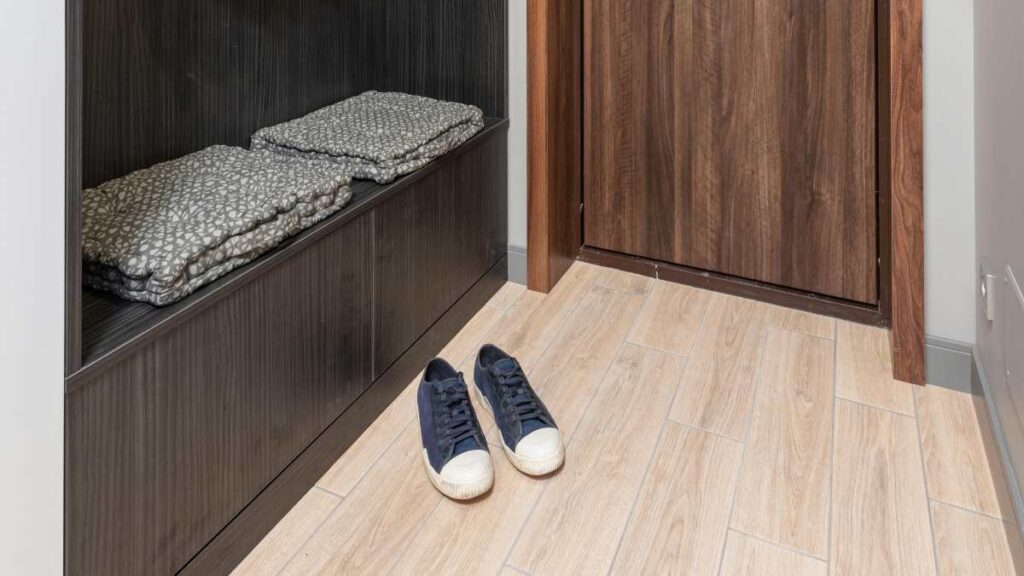
Don’t wear shoes inside (and don’t miss the genkan cue)
In Japan, shoes-off isn’t just a “home” thing. You may be asked to remove shoes at traditional inns (ryokan), some hotels, certain restaurants (especially tatami dining rooms), temples, and even some clinics.
What to do instead:
- Look for a step-up entry area (the genkan) or a change in flooring – this is your clue.
- Put shoes neatly to the side and ideally turn them to face the door (a small but appreciated detail).
- Wear shoes that are easy to slip on and off if you’re out with kids.
Don’t wear the wrong slippers in the wrong place
This one catches travellers constantly. Toilet/bathroom slippers are often provided and they’re for that area only. Walking back into the hallway or dining area wearing them is not ideal.
What to do instead:
- Swap into bathroom slippers just for the bathroom.
- Swap back into indoor slippers (or socks) when you leave.
Don’t step onto tatami with slippers
Tatami mats are delicate and considered a special indoor surface. Even though slippers feel “clean,” they can damage tatami.
What to do instead:
- Step onto tatami in socks or bare feet only.
- Leave slippers at the edge of the tatami area.
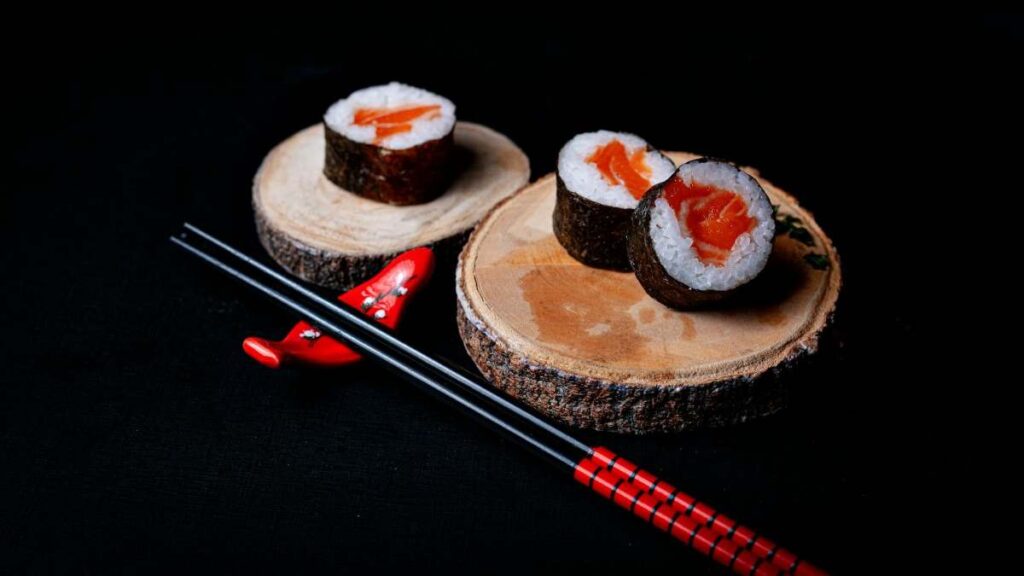
Don’t break the big chopstick taboos
Chopstick etiquette can feel like a minefield, but there are a few big “don’ts” worth remembering.
Avoid these:
- Don’t stick chopsticks upright in rice as this has a strong funeral association.
- Don’t pass food from chopsticks to chopsticks because this is also tied to funeral rituals.
- Don’t spear food like a fork if you can help it.
- Don’t rub disposable chopsticks together as it can look like you’re implying they’re cheap.
What to do instead:
- Use the chopstick rest when you pause.
- If sharing, use serving chopsticks if provided, or flip your chopsticks to use the clean end.
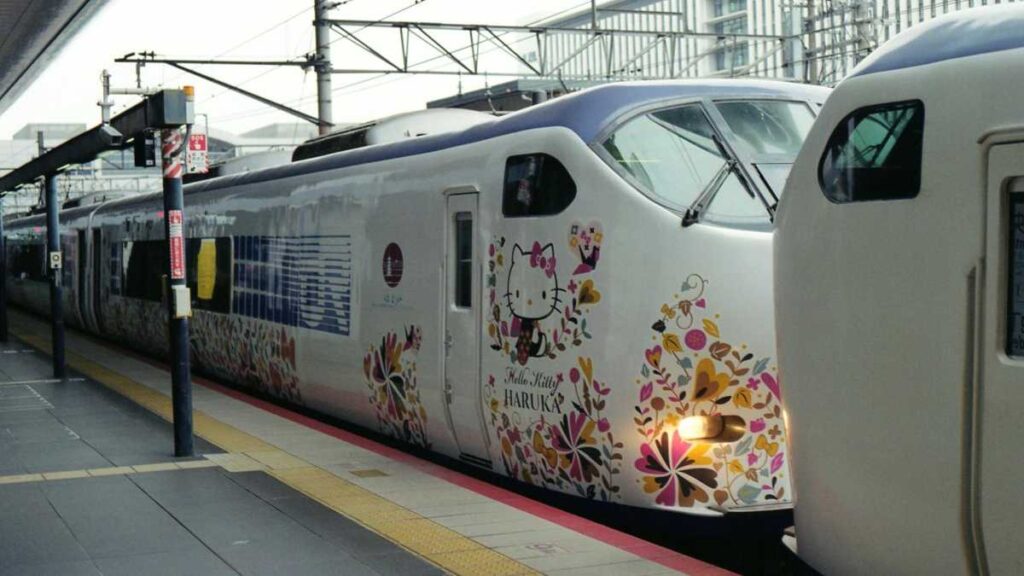
Don’t be loud on public transport
Japanese trains (especially city trains) are quiet for a reason – many people commute long distances and use the ride to rest. Kids being kids is totally understandable, but loud voices will stand out fast.
What to do instead:
- Use “library voices” on trains and buses.
- If you’re travelling with excited kids, set expectations before you board.
Don’t take phone calls on trains
Messaging is normal. Phone calls are the big no.
What to do instead:
- Put your phone on silent (you’ll often hear announcements about this).
- If you must take a call, step off at the next station or keep it extremely brief near the doors.
Don’t block seats with bags or luggage
Japan’s trains can be tight at peak times, and taking up a seat with a suitcase is frowned upon.
What to do instead:
- Keep bags on your lap or at your feet.
- Use overhead racks when available.
- If you’ve got a pram, aim for less crowded carriages and off-peak times.
Don’t ignore queues (Japan is serious about lines)
From train platforms to theme parks to ramen shops, Japan loves an orderly queue. People generally wait in marked spots and let passengers exit before boarding.
What to do instead:
- Follow the floor markings at platforms.
- Let people off first, then board quickly and smoothly.
Don’t eat while walking (with a few exceptions)
In many places, walking and eating is discouraged, especially in crowded streets and stations. It can slow foot traffic and create mess in spaces that are kept spotless.
What to do instead:
- Step to the side and eat near the stall or outside the convenience store.
- Use designated eating areas where provided.
Exceptions you’ll see:
- Festival areas, food markets, and some tourist streets can be more relaxed. Still, it’s smart to look around and follow the local vibe.
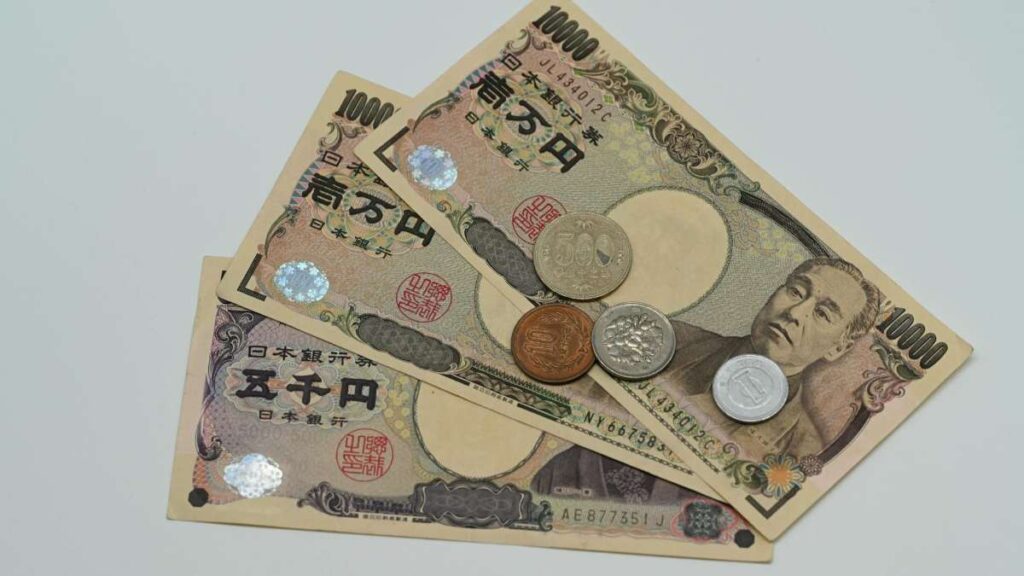
Don’t tip
Tipping isn’t part of everyday service culture in Japan and can create confusion or a staff member sprinting after you to return your money.
What to do instead:
- Say thank you, smile, and be polite.
- At the end of a meal, you’ll often hear visitors say “gochisousama deshita” (thank you for the meal).
Don’t blow your nose loudly in public
This surprises many travellers. In Japan, loudly blowing your nose in close quarters (train, restaurant, meeting) is generally considered rude.
What to do instead:
- Quietly dab if you must.
- Step into a bathroom or private spot to properly blow your nose.
- Carry tissues and a small zip bag for rubbish (bins can be scarce).
Don’t smoke outside designated areas
Smoking rules vary by city, but the general expectation is that you should only smoke where smoking is explicitly allowed. Some places also discourage smoking while walking.
What to do instead:
- Look for smoking rooms or marked smoking areas.
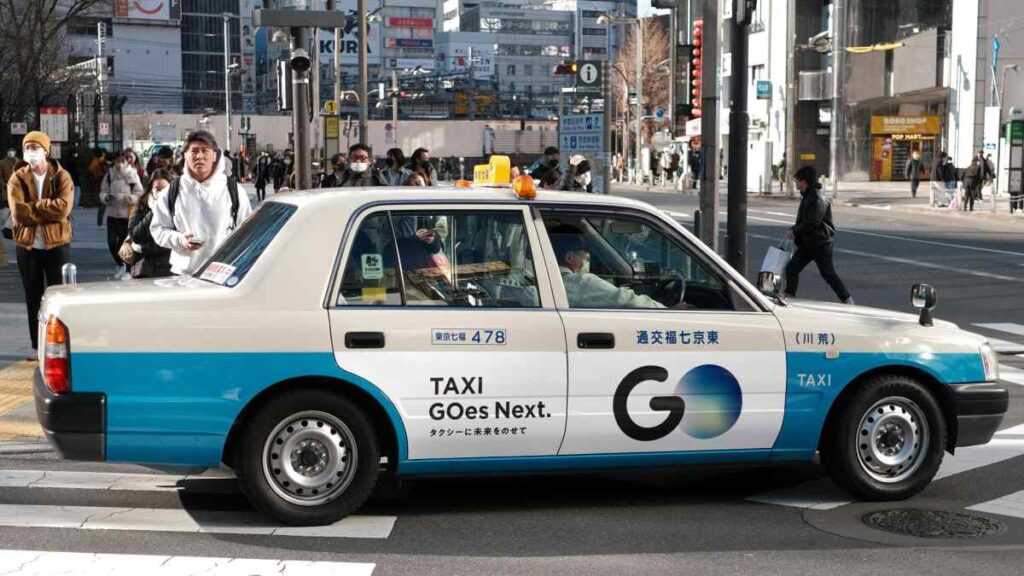
Don’t try to open the taxi door yourself
Many taxis in Japan have automatic rear doors controlled by the driver. Forcing it can be awkward and potentially damaging.
What to do instead:
- Wait for the driver to open the rear door.
- You can usually open the front passenger door manually if someone sits there.
Don’t enter an onsen without washing first
Onsen etiquette is one of the most important sets of rules because it’s a shared bathing space.
Avoid these:
- Don’t enter the bath without thoroughly washing first.
- Don’t dip your towel into the bathwater.
- Don’t swim, splash, or treat it like a pool.
What to do instead:
- Wash and rinse fully at the shower stations before soaking.
- Keep your small towel out of the water (many people place it on their head).
- Tie up long hair so it doesn’t touch the water.
Family note: Many families choose private baths or family-friendly onsen options if they want to bathe together.
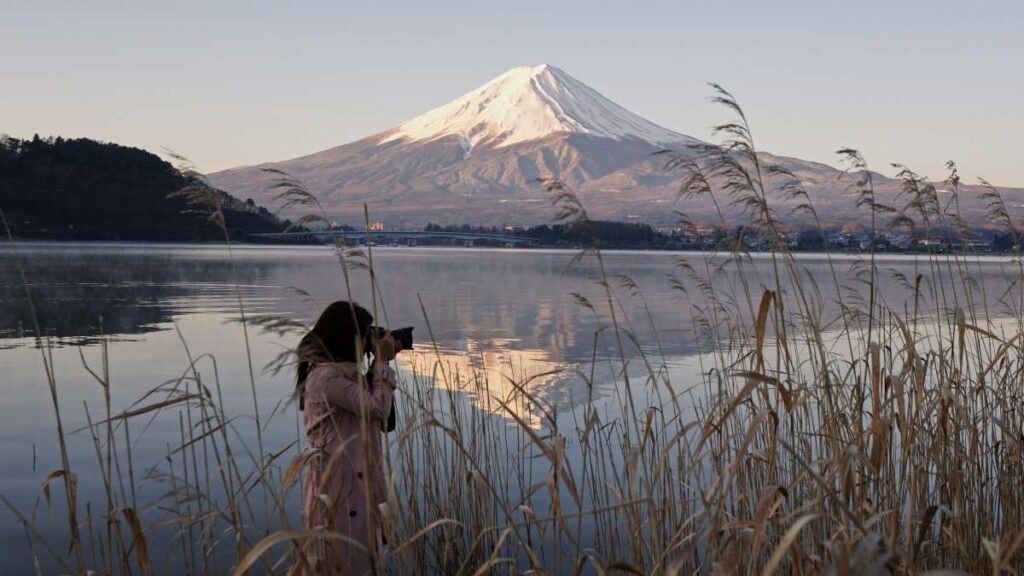
Don’t take photos where it’s not allowed (or of people without consent)
Japan is incredibly photogenic, but there are places where photography is restricted, such as museums, galleries, some shops, some cafes, and always in onsen/baths. Photographing strangers up close is also a no-go.
What to do instead:
- Look for signage and follow it.
- If you’re unsure, ask.
- Be extra cautious around children and avoid filming or photographing kids who aren’t yours.
Don’t be overly affectionate in public
Japan tends to be more reserved with public affection. Holding hands is common but kissing and heavy PDA (public displays of affection) is less so.
What to do instead:
- Keep affection subtle in public spaces.
Don’t pour your own drink first in group situations
If you’re out with Japanese friends, colleagues, or in a group dining situation, it’s polite to keep an eye on others’ glasses and pour for them, not just yourself.
What to do instead:
- Pour for others, and let them pour for you.
- When someone pours your drink, hold your glass with two hands as a respectful gesture.
Don’t take the last piece without checking
When sharing food, the last piece can turn into a polite standoff.
What to do instead:
- Offer it to others first.
- Accept if someone insists (after you’ve politely declined once).
Don’t show up to someone’s home empty-handed
If you’re invited to someone’s home, arriving with a small gift (often food) is standard.
What to do instead:
- Bring a simple treat, sweets, fruit, or a small local souvenir.
- When entering, you may hear people say “ojamashimasu” which is a polite “thanks for having me / sorry to intrude” style phrase.
The simplest way to get Japan etiquette right
If you only take one thing from this guide, let it be this: Japan values consideration in shared spaces. Quiet voices, clean habits, respectful behaviour, and paying attention to context will carry you a long way. You don’t need to be perfect, you just need to be observant, adaptable, and willing to learn.
FAQs: What not to do in Japan
Often, yes – especially in crowded streets, stations, and commuter areas. In some festival or market settings it may be more accepted, but it’s usually better to step aside and eat near the stall or in a designated area.
No, There are signs requesting that you don’t talk on your phone. You can use your phone for messaging, but phone calls on trains are generally considered bad manners. Keep your phone on silent and save calls for the platform or outside the carriage.
No. Tipping isn’t expected and may be refused or returned. A polite thank you and good manners are the norm.
Yes, when entering homes and many traditional or tatami-style spaces. Look for a genkan step-up area or shoe shelves at the entrance as a strong hint.
Don’t stick chopsticks upright in rice and don’t pass food from chopsticks to chopsticks. Both actions are associated with funeral rituals and are considered major taboos.
Skipping the wash. You must wash and rinse thoroughly before entering the shared bath, and you shouldn’t dip your towel into the bathwater.
Loudly blowing your nose in close quarters can be considered rude. Dabbing discreetly is fine, but if you need to blow your nose properly, it’s best to excuse yourself to the bathroom.
No. Some places restrict photography, and onsens/baths typically ban it completely. Avoid close-up photos of strangers without consent, and be especially cautious around children.
Where to next?
📌 Save this article to Pinterest so you’ll have it handy when planning your own trip.
Let me know what you think!