Buying a caravan is a big financial investment for many Australian families. While some see it as the key to affordable holidays, others wonder whether it’s actually cheaper to book cabins, hotels or holiday apartments instead. In this guide, we’ll compare caravan vs hotel costs, break down the true cost of owning a caravan, look at real family travel scenarios and help you decide which option offers the best value for the way your family likes to holiday.
Quick answer
If your family only takes one or two holidays each year, staying in cabins, hotels or self-contained apartments will often be the more affordable option.

However, if you travel regularly, enjoy weekend escapes and spend several weeks on the road each year, owning a caravan can become increasingly cost-effective because you’re spreading the purchase price and annual ownership costs across many more nights away.
That said, caravan vs hotel costs aren’t just about money. Lifestyle, flexibility, towing confidence, maintenance and the type of holidays your family enjoys all play an equally important role in deciding which option offers the best value.
What costs should you compare?
When comparing caravan vs hotel costs, it’s important to look beyond the nightly price of a campsite or hotel room. While staying in a hotel is largely a pay-as-you-go expense, owning a caravan comes with a significant upfront investment as well as ongoing costs that need to be paid regardless of how many times you use it.
At the same time, caravanning can offer savings that hotels simply can’t match, particularly if you travel regularly, cook your own meals or take advantage of free camping. The key is comparing the total cost of each style of holiday rather than focusing on just one expense.
To make a fair comparison, these are the main costs every family should consider.
Upfront costs
For caravan owners, the biggest difference is the initial purchase. Whether you buy new or used, a caravan is a major investment that may also require finance, adding interest costs over time. Many owners also spend money on accessories such as an annexe, solar panels, towing mirrors, weight distribution hitches or upgraded batteries to better suit their style of travel.
Hotels and cabins, on the other hand, don’t require any upfront investment. You simply book and pay for the accommodation when you need it.
Ongoing ownership costs
Buying the caravan is only the beginning. Like any vehicle, a caravan has annual expenses that should be factored into its true cost of ownership.
These can include registration, insurance, servicing, tyre replacement, gas safety checks, battery replacement and unexpected repairs. If you don’t have room to store your caravan at home, storage fees may also become a significant annual expense. It’s also worth considering depreciation, particularly if you’re purchasing a brand-new caravan.
These costs continue even when the caravan is sitting in the driveway between holidays.
Travel costs
Whether you’re towing a caravan or driving to a hotel, every holiday comes with travel expenses.
For caravan holidays, these typically include caravan park site fees, fuel and food, along with any activities you choose to do while away. Depending on your travel style, you may also reduce costs by staying at low-cost or free camps where permitted. However, towing a caravan increases fuel consumption, so this should also be included in your calculations.
Accommodation costs
Families staying in cabins, hotels or holiday apartments avoid the ongoing costs of caravan ownership, but accommodation is generally more expensive than caravan park site fees.
Prices vary widely depending on the destination, time of year and type of accommodation. It’s also worth considering parking fees and the fact that many hotel stays result in eating out more often, which adds up quickly.
As you’ll see throughout this guide, comparing caravan vs hotel costs isn’t about finding one option that’s always cheaper. It’s about understanding the full cost of each style of travel so you can decide which offers the best value for your family’s travel style.
The true cost of owning a caravan
When comparing caravan vs hotel costs, the purchase price of a caravan is often the first thing people think about. However, it’s not the only thing to consider.
Buying the caravan
Caravans are available at almost every price point, from older second-hand models costing less than $20,000 through to luxury off-road vans well over $150,000. The right choice depends on your budget, how often you plan to travel and the type of holidays you enjoy.
A used caravan can be an attractive option for first-time buyers because someone else has already absorbed the steepest depreciation. However, older vans may require more maintenance or upgrades before they’re ready to hit the road.
What if you finance the caravan?
Another important consideration is how you plan to pay for it. Financing can significantly change the overall cost of caravan ownership. For example, a $60,000 caravan financed over seven years could cost more than $10,000 per year in repayments, depending on the loan term and interest rate. While finance makes ownership more accessible, it also increases the total cost of the caravan and should be factored into any comparison with cabins or hotels.
If you’re comparing caravan vs hotel costs, remember that the repayments continue whether you’re travelling or not.
Annual ownership costs
Ongoing ownership costs vary depending on the age and value of your caravan, where you live and whether you need paid storage. Many families can expect to budget somewhere between $2,000 and $5,000+ per year for registration, insurance, servicing, maintenance and repairs before paying for campsites or fuel. If you finance your caravan or pay for commercial storage, your annual costs will generally be higher.
The table below shows the types of expenses that contribute to those annual ownership costs.
| Annual expense | Typical cost (AUD) |
|---|---|
| Registration | $100-$300 |
| Insurance | $700-$1,800 |
| Routine servicing | $300-$800 |
| Wheel bearing servicing (averaged) | $100-$300 |
| Tyre replacement (averaged) | $150-$400 |
| Battery replacement (averaged) | $100-$250 |
| Gas safety checks (averaged) | $50-$150 |
| Repairs and maintenance allowance | $300-$1,000 |
| Storage (if required) | $0-$4,000+ |
While not every expense occurs every year, it’s wise to set aside an annual maintenance budget. Tyres eventually age, batteries wear out, wheel bearings require servicing and unexpected repairs are simply part of caravan ownership.
Depreciation
One cost that’s often overlooked is depreciation.
Like most vehicles, caravans generally lose value over time. Brand-new caravans usually experience the greatest depreciation during their first few years, while well-maintained used caravans often depreciate more gradually.
Although depreciation isn’t money you’re physically spending each year, it does affect the total cost of ownership. If you purchase a new caravan for $80,000 and sell it several years later for $60,000, that reduction in value forms part of the overall cost of owning the caravan.
The good news is that popular brands in excellent condition often retain their value better than lesser-known models, particularly when demand for used caravans is strong.
Don’t forget your tow vehicle
One of the biggest differences in caravan vs hotel costs is the additional wear placed on your tow vehicle.
Towing a caravan generally increases fuel consumption and can accelerate wear on tyres, brakes and suspension components. Your vehicle may also require more frequent servicing depending on how often you tow, while tow hitches and towing equipment should be inspected and maintained regularly.
These aren’t necessarily major expenses on their own, but together they contribute to the true cost of caravan ownership. When you’re comparing a caravan holiday with staying in cabins or hotels, it’s important to include these vehicle-related costs as part of the overall picture rather than focusing solely on the caravan itself.
The cost of staying in cabins and hotels
While caravan ownership comes with ongoing annual expenses, accommodation-based holidays are generally much simpler to budget for. You don’t need to worry about registration, insurance or maintenance and your main costs are paid as you travel. However, there are a few extra things to consider.
Accommodation
Accommodation prices vary enormously across Australia.
Holiday park cabins are often one of the most affordable options for families, particularly outside peak holiday periods. Many include basic cooking facilities, separate bedrooms and access to shared amenities such as swimming pools and playgrounds.
Hotels offer greater convenience and comfort but can vary from budget motels through to luxury resorts charging several hundred dollars – or even more than $1,000 – a night. Self-contained apartments often sit somewhere in between, providing more space and kitchen facilities that can help reduce other travel expenses.
Seasonality also plays a major role. School holidays, long weekends and popular tourist destinations typically attract premium pricing, while travelling during shoulder seasons can result in substantial savings.
Meals
Food is another expense that’s easy to overlook when comparing holiday costs.
Many hotel stays require you to eat out for breakfast, lunch and dinner due to the lack of cooking facilities. While this can be part of the holiday experience, restaurant meals can quickly become one of the largest expenses for a family.
Holiday park cabins and self-contained apartments often include kitchens, making it easier to prepare some meals yourself and reduce your overall food budget.
Caravan travellers usually have the greatest flexibility. With their own kitchen always available, many families prepare most of their meals, making it easier to control spending and cater for fussy eaters or allergies. Of course, there’s nothing stopping you from enjoying the occasional café breakfast or restaurant dinner when the mood strikes.
Parking and transport
Depending on your destination, transport costs can also influence the overall value of an accommodation-based holiday.
Many hotels, particularly in city centres, charge daily parking fees that can add up over a week-long stay. Some resorts also apply parking charges, while city breaks may involve additional expenses such as toll roads, public transport or rideshare services.
By comparison, holiday park cabins nearly always include parking next to your accommodation at no additional cost, although this varies between properties.
Hidden costs
Accommodation prices don’t always tell the full story.
Depending on where you stay, additional charges may include cleaning fees, booking fees, resort fees or holiday surcharges during peak travel periods. Some destinations also require minimum stay periods over school holidays, reducing flexibility and increasing the overall cost of a trip.
These costs don’t necessarily make hotels or cabins poor value – in many cases they’re still the most economical option for shorter holidays. The important thing is to compare the total cost of your trip rather than focusing solely on the advertised nightly rate when weighing up caravan vs hotel costs.

Is a caravan always the cheaper option?
It’s easy to assume that owning a caravan automatically leads to cheaper holidays, and while caravanning can save money for some families, it’s not a guaranteed way to reduce your travel budget.
When comparing caravan vs hotel costs, the cheapest option depends on how often you travel, where you stay and the type of holiday you enjoy. A caravan that spends most of the year parked in the driveway can become an expensive asset, while a family that uses it regularly may spread the ownership costs over dozens of nights away each year.
Likewise, free camping isn’t always available or practical, and during school holidays, popular caravan parks can also charge nightly rates that rival budget hotels or holiday park cabins.
Rather than asking whether caravanning is always cheaper, a better question is whether it’s the right financial choice for the way your family travels.
More travel doesn’t always mean lower costs
Travelling more often certainly improves the value of caravan ownership because you’re spreading the purchase price and annual running costs over more holidays.
However, every trip still comes with expenses. Fuel consumption increases when towing, caravan park fees continue to apply if you’re staying on powered sites, and regular use can lead to more maintenance and servicing over time.
In other words, travelling more frequently doesn’t eliminate these costs – it simply helps justify the investment if you’re making the most of your caravan.
Hotels aren’t always expensive
Accommodation-based holidays also have more flexibility than many people assume.
Holiday park cabins, self-contained apartments and shoulder-season accommodation deals can make family holidays surprisingly affordable. If you’re only taking one or two short breaks each year, paying for accommodation as you need it may actually cost less than owning and maintaining a caravan.
Of course, the opposite can also be true. Staying in luxury resorts or travelling during peak school holiday periods can quickly push accommodation costs well beyond what many families would spend on a caravan holiday.
This is why comparing caravan vs hotel costs isn’t simply a matter of looking at accommodation prices, it depends on the style of holiday you’re planning. Let’s take a look at some scenarios…
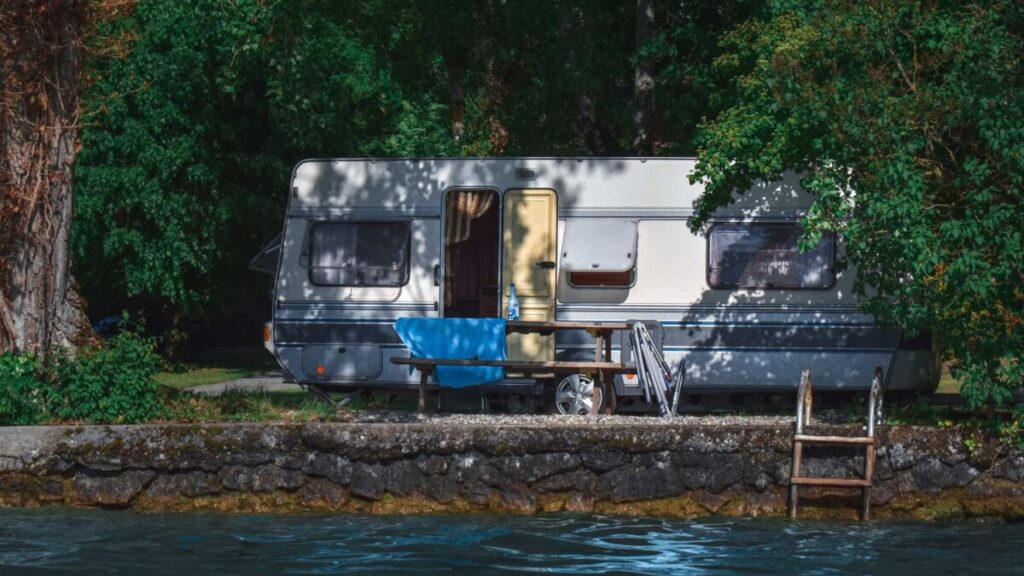
Caravan vs hotel: Real family holiday scenarios
When comparing caravan vs hotel costs, there’s no one-size-fits-all answer. To show how the numbers can change, let’s look at a few common travel scenarios.
Assumptions used in these examples
- Mid-range family caravan purchased outright (no monthly loan repayment)
- Stored at home (no paid storage)
- Typical annual ownership costs of around $3,500
- Family of four
- Powered caravan park sites averaging $70 per night
- Hotel or holiday park cabin averaging $300 per night
Scenario 1: One annual family holiday
Travel style
- Family of four
- One seven-night holiday each year
- Staying in a popular tourist destination
| Cost comparison | Caravan | Cabins/hotels |
|---|---|---|
| Accommodation/trip cost | $490 | $2,100 |
| Annual ownership costs | $3,500 | $0 |
| Total annual accommodation cost | $3,990 | $2,100 |
| Cost per night away | $570 | $300 |
| Better value? | ✖ | ✔ |
Although staying in a caravan park is considerably cheaper than booking accommodation, the fixed costs of owning the caravan are spread across just seven nights away, making hotels or cabins the more economical choice for occasional travellers.
Scenario 2: Two or three holidays each year
Travel style
- One 7-night holiday
- Two 3-night weekends
- 13 nights total
| Cost comparison | Caravan | Cabins/hotels |
|---|---|---|
| Accommodation/trip cost | $910 | $3,900 |
| Annual ownership costs | $3,500 | $0 |
| Total annual accommodation cost | $4,410 | $3,900 |
| Cost per night away | $339 | $300 |
| Better value? | Very close | Very close |
The accommodation savings begin to offset the annual ownership costs, but not completely. At this point, the decision often comes down to whether you have financed your initial purchase, your lifestyle, flexibility and the type of accommodation you normally book.
Scenario 3: Frequent family travellers
Travel style
- Six weekend trips
- One 10-night holiday
- 40 nights away each year
| Cost comparison | Caravan | Cabins/hotels |
|---|---|---|
| Accommodation/trip cost | $2,800 | $12,000 |
| Annual ownership costs | $3,500 | $0 |
| Total annual accommodation cost | $6,300 | $12,000 |
| Cost per night away | $158 | $300 |
| Better value? | ✔ | ✖ |
Once you’re travelling regularly, the fixed costs of caravan ownership are spread across many more nights. The accommodation savings become substantial, making caravan ownership increasingly attractive for families who love getting away throughout the year.
Scenario 4: Extended touring
Travel style
- Around Australia trip
- 90 nights
- Mix of caravan parks and free camping
| Cost comparison | Caravan | Cabins/hotels |
|---|---|---|
| Accommodation/trip cost | $4,500 (mix of paid & free camping) | $27,000 |
| Annual ownership costs | $3,500 | $0 |
| Total annual accommodation cost | $8,000 | $27,000 |
| Cost per night away | $89 | $300 |
| Better value? | ✔ | ✖ |
For families doing a lengthy holiday, the economics shift dramatically. Not only are the ownership costs spread across a large number of nights, but free camping and cooking your own meals can significantly reduce the overall cost of travel.
What these scenarios tell us
These examples highlight that comparing caravan vs hotel costs isn’t about finding a single winner.
Families who travel occasionally often find cabins or hotels offer better financial value because they only pay for accommodation when they need it. On the other hand, people who travel frequently can spread the fixed costs of caravan ownership across many trips, making the investment increasingly worthwhile over time.
The obvious next question is: at what point does a caravan actually start paying for itself? Let’s take a closer look.
When does a caravan start paying for itself?
It’s the question almost every prospective caravan owner asks – when does a caravan actually start paying for itself?
The honest answer is that there isn’t a single break-even point. Every family’s situation is different, and the answer depends on far more than just the purchase price of the caravan.
When comparing caravan vs hotel costs, you’ll need to consider factors such as:
- The purchase price of the caravan.
- Whether you buy new or used.
- How much the caravan depreciates over time.
- Annual ownership costs, including registration, insurance and maintenance.
- Whether you finance the purchase or buy it outright.
- How many nights you spend travelling each year.
- Whether you stay mostly in powered caravan parks or regularly use free or low-cost camping.
- The type of accommodation you would normally book, from budget cabins through to luxury resorts.
Because there are so many variables, there’s no magic number of nights where a caravan suddenly becomes the cheaper option. Instead, it’s more helpful to think about how your travel habits influence the overall value of ownership.
Families travelling once a year
If your family typically takes one annual holiday of around one or two weeks, booking cabins, apartments or hotels will often be the more economical choice.
Without frequent trips, it’s difficult to spread the annual costs of owning a caravan across enough nights away to offset the upfront investment and ongoing maintenance.
Families taking several trips each year
For families who enjoy multiple holidays, school holiday road trips or regular long weekends away, the gap begins to narrow.
The more often you use your caravan, the more value you get from the purchase. Instead of paying for accommodation every time you travel, you’re spreading the fixed costs of ownership across more nights on the road.
At this point, the decision often comes down to your preferred style of travel as much as the dollars involved.
Families spending a month or more away
Once you’re travelling for several weeks each year, many families begin to offset a significant portion of the ongoing costs of caravan ownership.
Accommodation savings become more noticeable, particularly if you’re preparing most of your own meals and choosing a mix of caravan parks and lower-cost camping options.
While annual ownership costs don’t disappear, they’re spread across many more nights away, making the overall cost per holiday generally much lower.
Extended travellers and free campers
For families taking extended trips around Australia, caravan ownership often provides the strongest financial value.
Travelling for months at a time allows the purchase price and annual ownership costs to be spread across a large number of nights. Those who regularly use free camping or low-cost campgrounds can reduce accommodation expenses even further, although fuel, maintenance and servicing remain important ongoing costs.
An easier way of thinking about it
Rather than asking whether a caravan will “pay for itself”, it’s more useful to ask whether your family will use it often enough to justify the investment.
For occasional holidays, cabins and hotels are often the more affordable option. But if your family loves road trips, enjoys the caravanning lifestyle and spends many weeks travelling each year, owning a caravan can become increasingly cost-effective over time.
Ultimately, the answer isn’t determined by a single number; it’s determined by how you like to travel.
Costs aren’t everything
While comparing caravan vs hotel costs can help you decide which option is likely to suit your budget, money is only one part of the decision. The best choice also depends on how your family likes to travel.
For some families, the freedom and flexibility of caravanning are worth every dollar. Others would happily pay more for the convenience of arriving at a hotel with nothing to set up or pack away. Neither approach is right or wrong – it simply comes down to the type of holiday you enjoy.
Why families love caravanning
Ask almost any caravan owner why they keep travelling this way and they’ll often talk about the lifestyle before they mention the savings.
One of the biggest advantages is flexibility. You’re not tied to hotel check-in times or fixed itineraries, making it easy to stay an extra night if you’re enjoying a destination or move on if the weather changes.
Packing also becomes much easier. Instead of unpacking and repacking suitcases at every stop, your clothes, kitchen equipment and holiday essentials stay with you for the entire trip. Many families also appreciate the familiarity this provides for young children, who sleep in the same beds and wake up in surroundings that feel familiar wherever they travel.
For pet owners, caravanning opens up opportunities that many hotels simply can’t offer. While not every caravan park welcomes pets, there are plenty that do, making it easier to include the whole family on holiday.
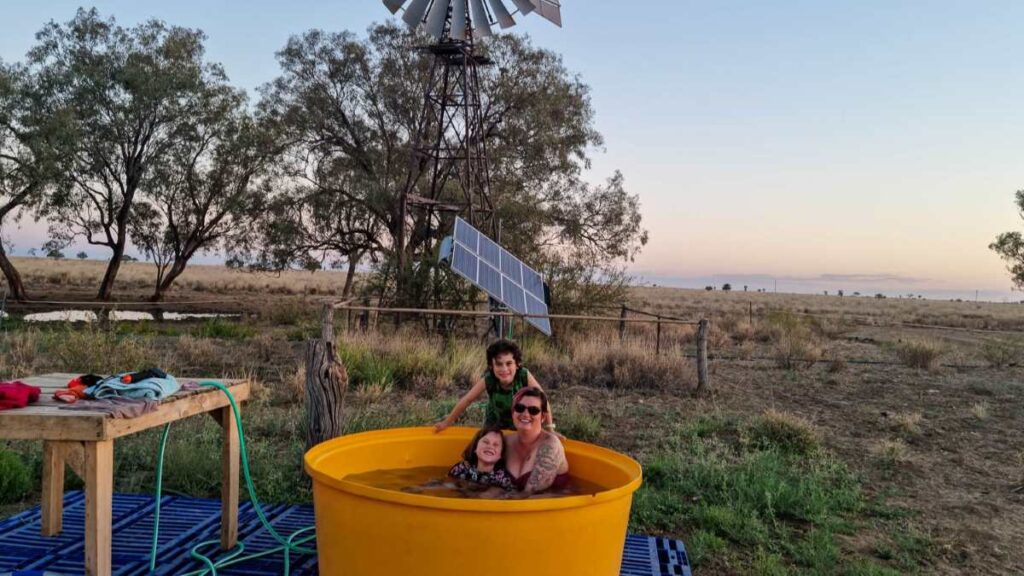
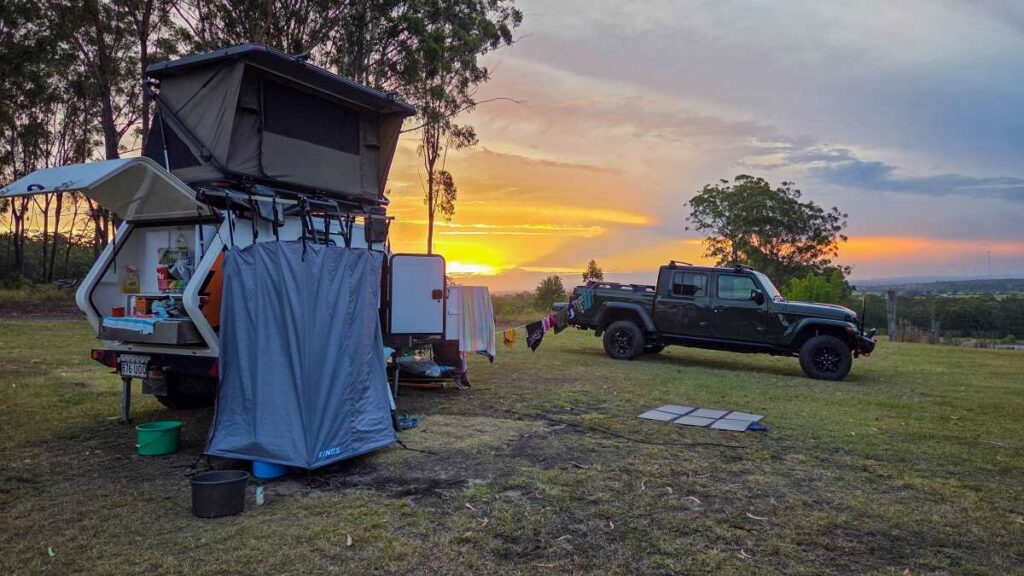
For myself, some of the most memorable places we have stayed in Australia have been at a remote campsite… like the one below that featured a private ‘pool’ with hot artesian water on a cattle farm just outside of Barcaldine in Outback Queensland.
Why hotels still make sense
Despite the appeal of caravanning, accommodation-based holidays continue to offer plenty of advantages.
For many families, convenience is hard to beat. There’s no towing, no setting up camp, no emptying water tanks and no maintenance to think about once the holiday is over. You simply arrive, chuck your luggage in the cupboard and start relaxing.
Hotels, apartments and holiday park cabins also tend to offer more space and comfort, particularly for shorter holidays. Comfortable beds, private bathrooms, air conditioning, housekeeping and on-site facilities can make a weekend away feel effortless.
Bad weather is another consideration. While caravanning can be incredibly rewarding, spending several rainy days inside a caravan is very different to relaxing in a spacious apartment or hotel room with plenty of indoor facilities.
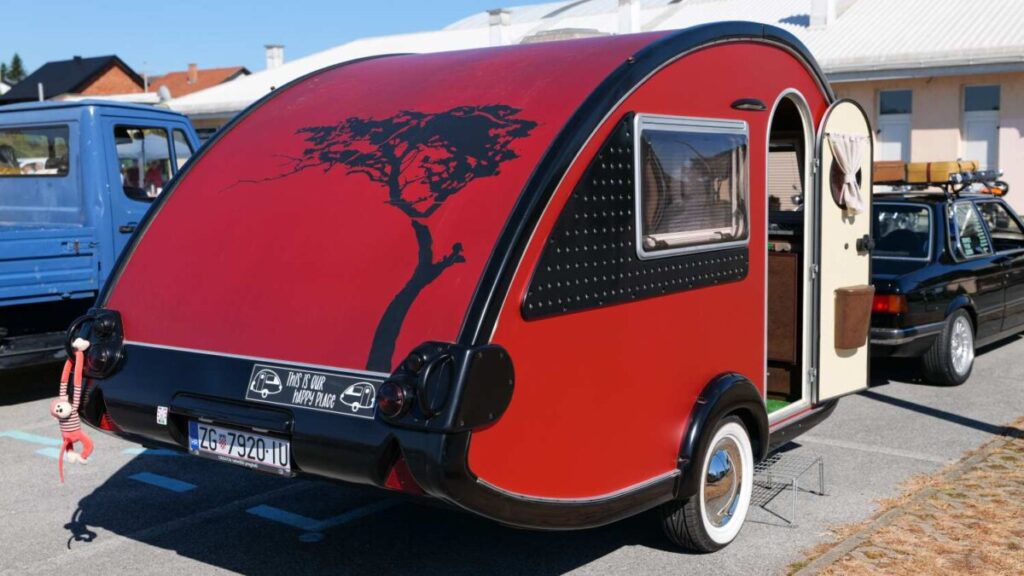
Should you hire a caravan before buying?
If you have never camped before, then you should absolutely hire a caravan before buying. You might find that even camping in comfort (aka caravanning) is not for you.
While hiring won’t be the cheapest holiday you’ll ever take, it can be a relatively small investment compared with buying a caravan you’ll later discover doesn’t suit your family’s travel style.
Some families fall in love with the freedom and flexibility of travelling with their own accommodation, while others discover they prefer the convenience of cabins or hotels. It’s far better to learn that after a week-long hire than after dropping upwards of $60k on a caravan.
So.. what’s the verdict?
Is owning a caravan cheaper than staying in hotels? For some families, absolutely. For others, not at all.
If your holidays are limited to one annual getaway, paying for cabins or hotels when you need them will often be the more economical choice. But if your family loves road trips, enjoys exploring regional Australia and spends several weeks travelling each year, a caravan can become increasingly cost-effective while offering a level of freedom that’s difficult to match.
Ultimately, comparing caravan vs hotel costs isn’t about declaring one style of travel the winner. It’s about understanding the true costs of each option and choosing the one that best fits your budget, your travel habits and the memories you want to create together.
Because at the end of the day, the best family holiday isn’t necessarily the cheapest one – it’s the one that gets your family out exploring Australia together.
FAQs
It depends on how often you travel. Families taking one annual holiday will often spend less staying in cabins or hotels, while those who travel frequently throughout the year may find that owning a caravan becomes more economical over time.
There isn’t a fixed number. The break-even point depends on the purchase price, annual ownership costs, whether you finance the caravan, where you stay and how often you travel. Families taking several trips each year generally begin to see better value from caravan ownership.
In many cases, yes. Even expensive powered caravan sites are usually cheaper than hotel rooms or holiday park cabins. However, it’s important to factor in the annual cost of owning the caravan when comparing the overall cost of each holiday.
It can. Regularly using free or low-cost campsites can significantly reduce accommodation costs during longer trips. However, free camping isn’t available everywhere and they can sometimes be gross, with toilet paper streamers left on the ground. Also, not every caravan is set up to go off-grid.
Buying a used caravan can reduce the initial purchase price and avoid the steepest depreciation that occurs with many new caravans. However, older caravans may require more maintenance or upgrades, so it’s important to have them inspected before purchasing.
If you’ve never travelled in a caravan before, hiring is one of the best ways to find out whether the lifestyle suits your family. It gives you the opportunity to experience towing, setting up camp and living in a caravan before making a significant financial commitment.
Many first-time buyers focus on the purchase price but overlook ongoing costs such as insurance, registration, servicing, storage, tyre replacement and maintenance. These expenses continue whether you’re travelling or not and should always be included when comparing caravan vs hotel costs.
This article contains affiliate links to products. We may receive a commission for purchases made through these links.
Where to next?
📌 Save this article to Pinterest so you’ll have it handy when planning your own trip.
Let me know what you think!