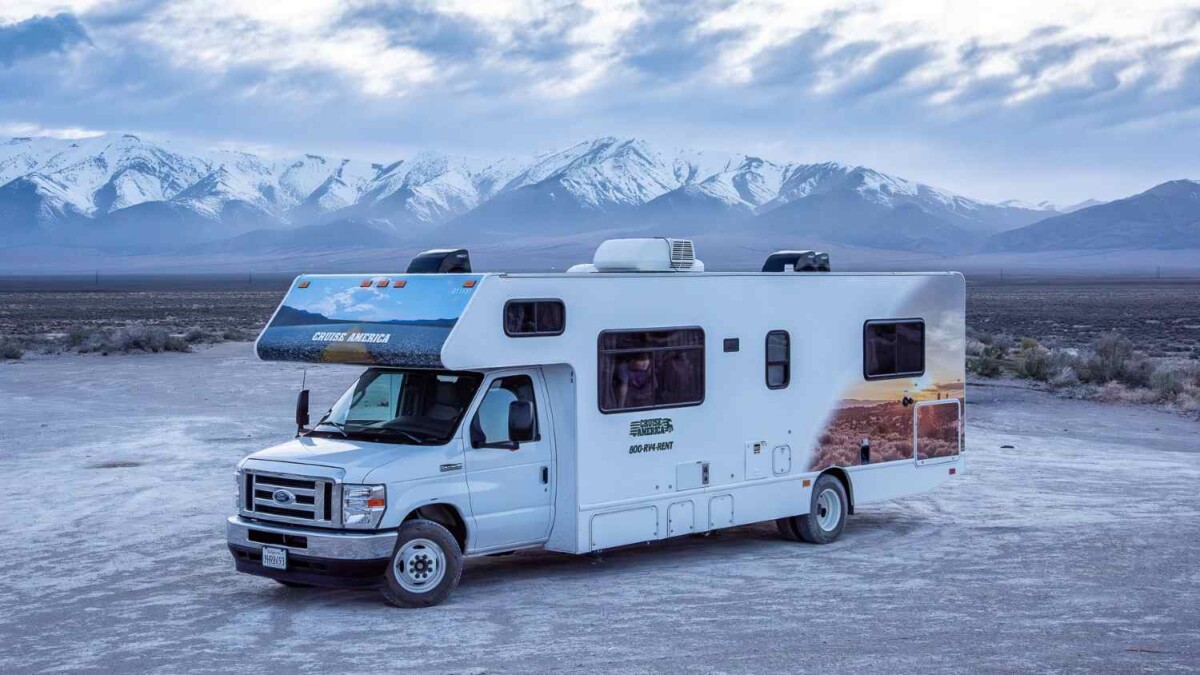
Back in 1986, Life Magazine famously labelled Nevada’s stretch of US Route 50 the “loneliest road in America.” They warned there were no points of interest and suggested only travellers with solid “survival skills” should attempt it.
So we went ahead and drove it.
Maybe it’s because I’m Australian and survival skills are a given when driving in the Outback, or maybe way back in 1986, there really was nothing here. Either way, the description is pretty far from the mark and what we found on Highway 50 in Nevada was not emptiness, but ghost towns, hot springs, ancient petroglyphs, sagebrush saloons, desert wildlife, stargazing spots and one of the most underrated national parks in the United States.
This isn’t a strict day-by-day itinerary. The beauty of the loneliest road in America is that you can move at your own pace. You could rush it in a few long driving days, but we recommend allowing at least 5 days so you can take the detours that make this road trip truly memorable.
We completed this trip in an RV we hired from Cruise America in Las Vegas, but you can absolutely do it in a regular vehicle and stay in motels in the small towns along the way.
Here’s how we’d break it up. But first…
Watch: Driving the loneliest road in America
If you’d like to see what Highway 50 Nevada actually looks like – from hot springs to ghost towns – here’s our road trip highlights video.
Leg 1: Lake Tahoe to Austin
Approx. 195 miles / 313 km
The official Highway 50 Nevada road trip begins in Carson City, but we started at Lake Tahoe and headed east. This first stretch eases you into the rhythm of the basin-and-range desert landscape, where you climb a mountain pass, descend into a valley, then do it all again.
Highlights not to miss
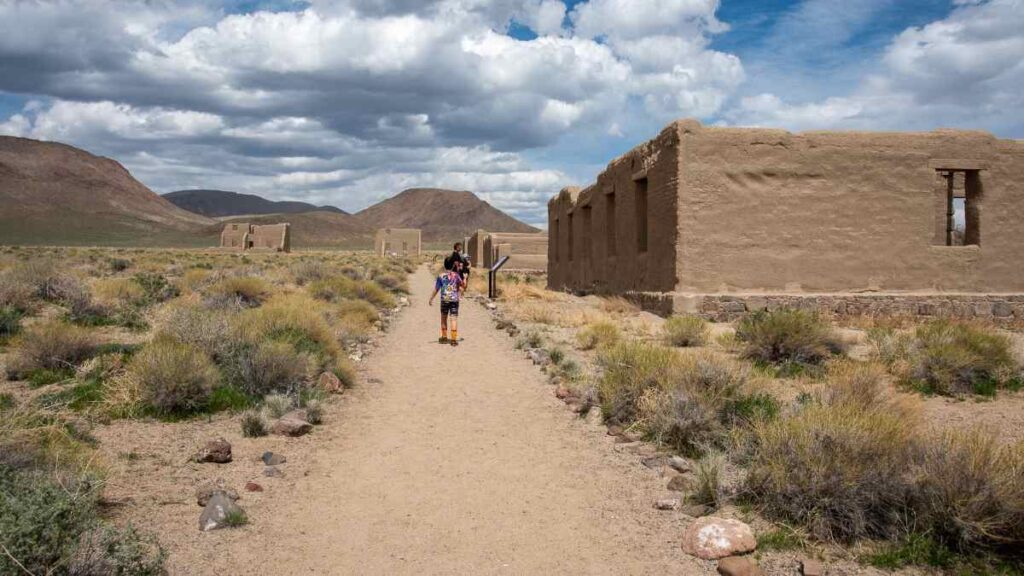
Fort Churchill State Historic Park
Once a United States Army fort and now crumbling Wild West ruins that glow beautifully at golden hour, Fort Churchill State Historic Park has excellent signage and lots of space to stretch your legs. It genuinely feels like stepping into the 1800s.
Dayton State Park
A great place to stop for morning tea, this peaceful riverside park looks good in any season. Fall colour, spring bloom or covered in snow, Dayton State Park is worth a leg stretch. You’ll even find gold and silver mining ruins here.
Hidden Cave & Grimes Point Archaeological Site
Here you’ll find an interpretive trail that snakes around a rocky canvas of ancient petroglyphs, carved into rock faces thousands of years ago. It’s worth stopping for this alone, but there’s more to see here.
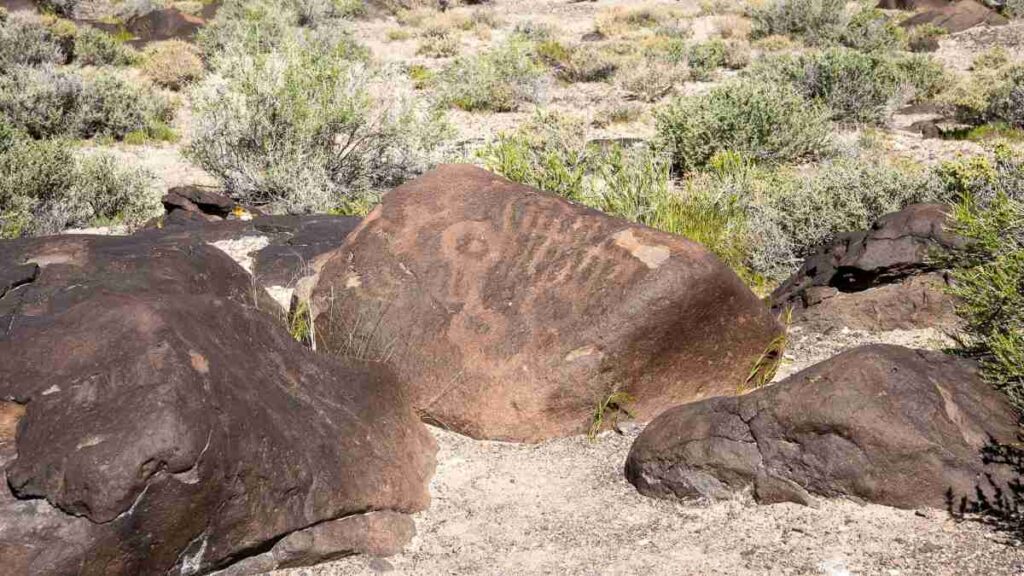
If you stood here nearly 20,000 years ago, you would have seen ancient Lake Lahontan as far as the eye could see. Over time, it receded, revealing caves that were eventually used by the ancestors of the Fallon Paiute-Shoshone Tribe.
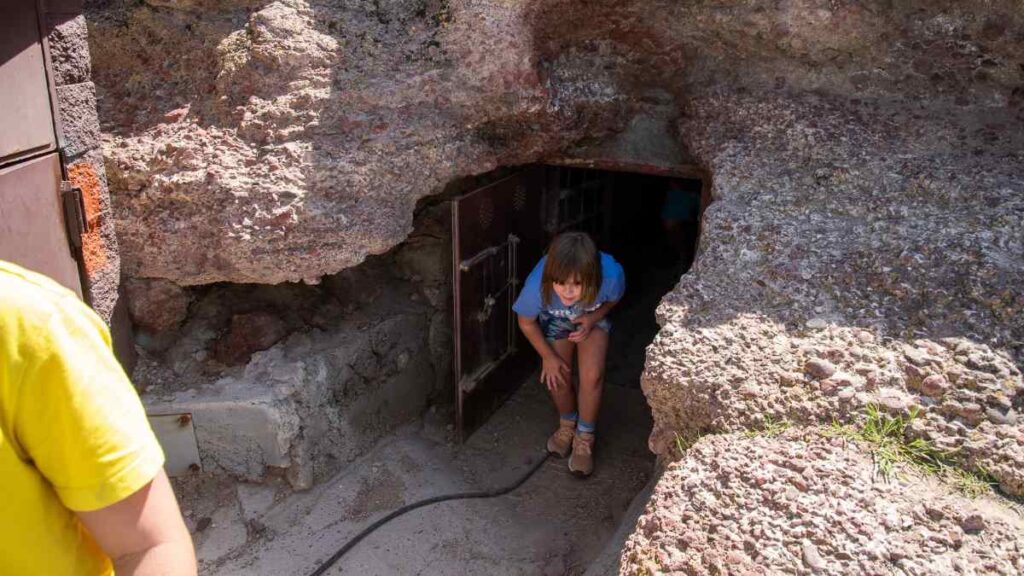
Hiking trails lead to a series of these caves, with the most well-known being Hidden Cave. It’s usually under lock and key as it’s an ongoing archaeological dig site that has exposed 21,000-year-old rock layering. If you time it right, you can join a public tour to see inside. Meet at the Churchill County Museum at 9:30 am on the second and fourth Saturday of the month. You’ll need hiking shoes, water, sunscreen, a hat and a reasonable level of fitness for this one.
Sand Mountain
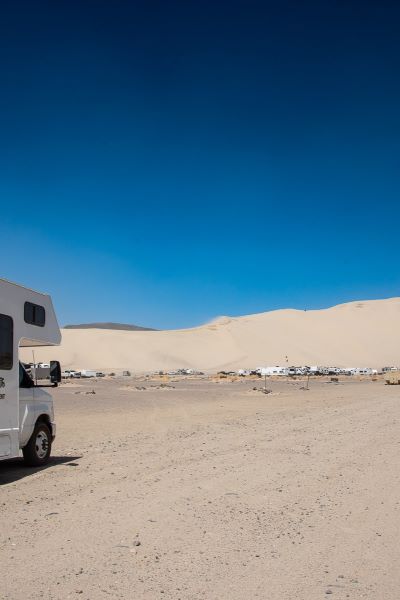
Sand Mountain is exactly what it sounds like, a giant sand dune rising unexpectedly from the desert and a firm favourite for ATV riders and off-roaders. It’s legally open to off-road riders and drivers, so you’ll likely see a number of ATVs tearing up its steep sides.
Middlegate Station
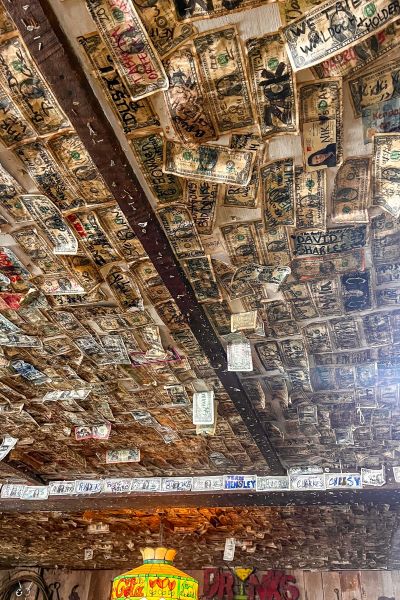
Although it’s now home to the Middlegate Monster Burger and is the place to be for that real-deal sagebrush saloon ambience, in 1860, it was originally a Pony Express stop. I’m not sure how it started, but many travellers grab a stapler (you’ll find them on the tables) and staple a dollar bill or foreign currency to the ceiling. We joined in the fun and added ours, too.
If you’ve got more time
- Churchill County Museum (Fallon)
- Berlin-Ichthyosaur State Park (ghost town and massive marine fossils)
- Stillwater National Wildlife Refuge
This section introduces you to what the loneliest road in America is really about – history layered over vast desert landscapes.
Leg 2: Austin to Eureka
Approx. 203 miles / 327 km
This is where Highway 50 in Nevada really feels remote. There are longer stretches, very few cars and big skies. Again, if you’re coming from Australia, this won’t feel like a big deal.
Highlight not to miss
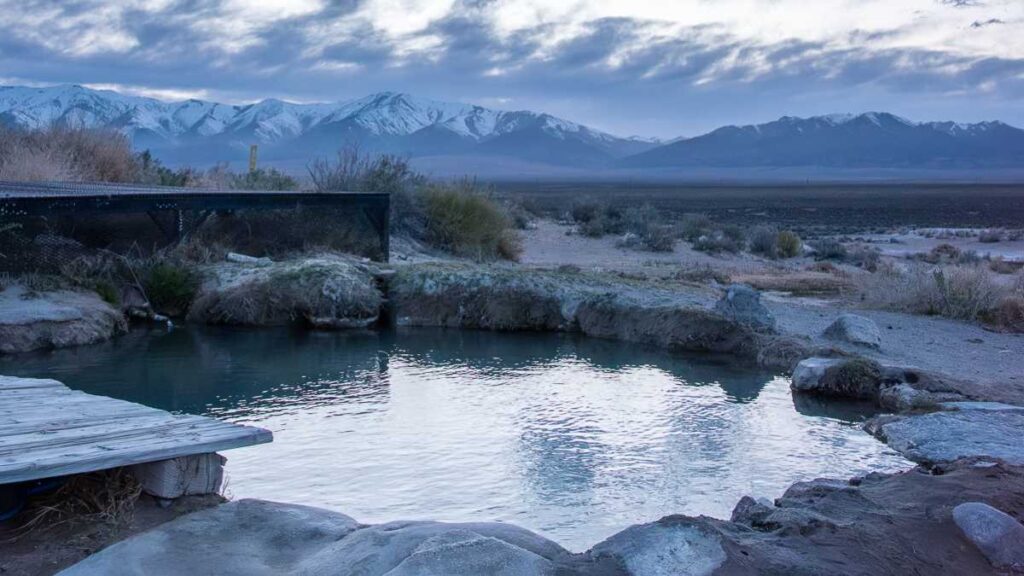
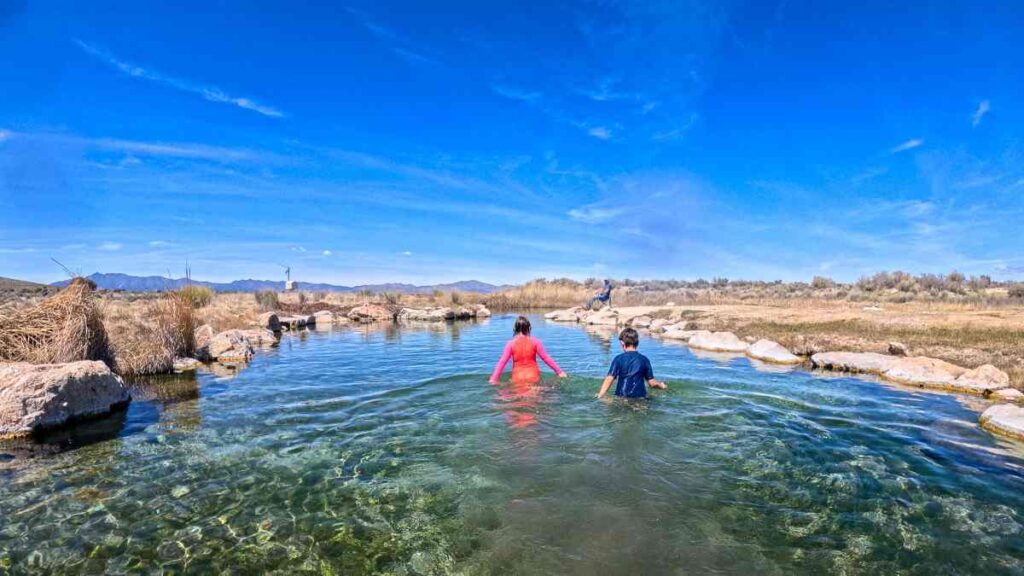
Spencer Hot Springs (near Austin)
Free natural hot springs in the middle of nowhere. Sunset here is something special, especially in cooler months when the hot water contrasts with crisp desert air.
Other stops worth considering
- Hickison Petroglyph Recreation Area – more ancient rock carvings along an interpretive trail just off Highway 50.
- Stokes Castle (Austin) – a three-storey stone tower built in the 1890s by a wealthy mining magnate.
- Eureka Opera House – a beautifully preserved 1880s theatre that reflects Eureka’s silver mining boom.
- Eureka Underground Tunnel System – If you’re intrigued by Nevada’s haunted history, this is worth investigating.
Austin and Eureka feel like silver boomtowns that never quite modernised, with Wild West charm included.
Leg 3: Eureka to Ely
Approx. 77 miles / 124 km
This leg of Nevada’s Highway 50 road trip is short, but packed with cool things to do.
Highlights not to miss
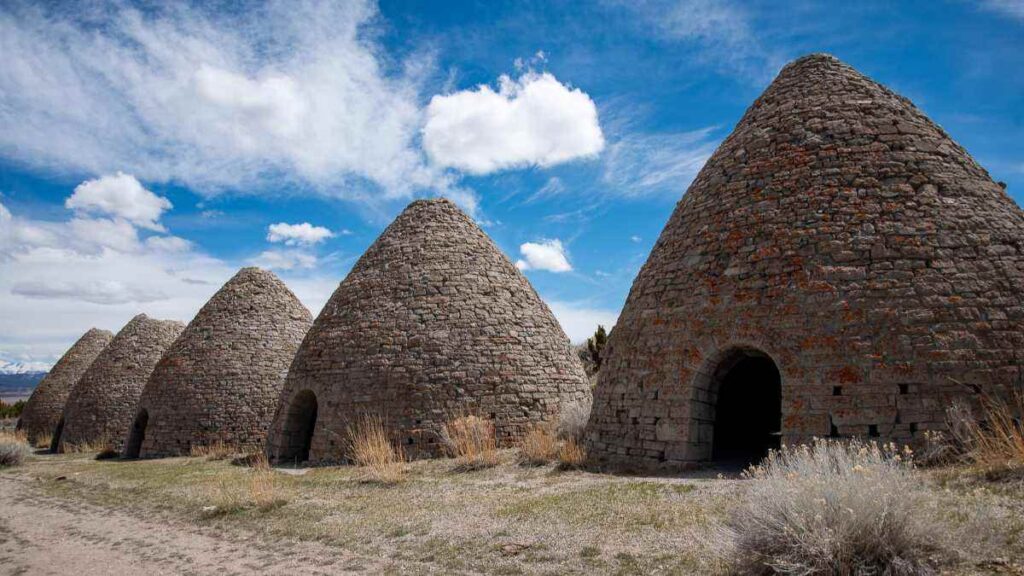
Ward Charcoal Ovens State Historic Park
These thirty-foot/nine-metre beehive-shaped kilns, built in the 1870s, look like something from a fantasy film set and are incredible under the night sky.
Garnet Hill
After rainfall, visitors can sometimes find small garnets on the ground. Bring a rock hammer and a sense of optimism.
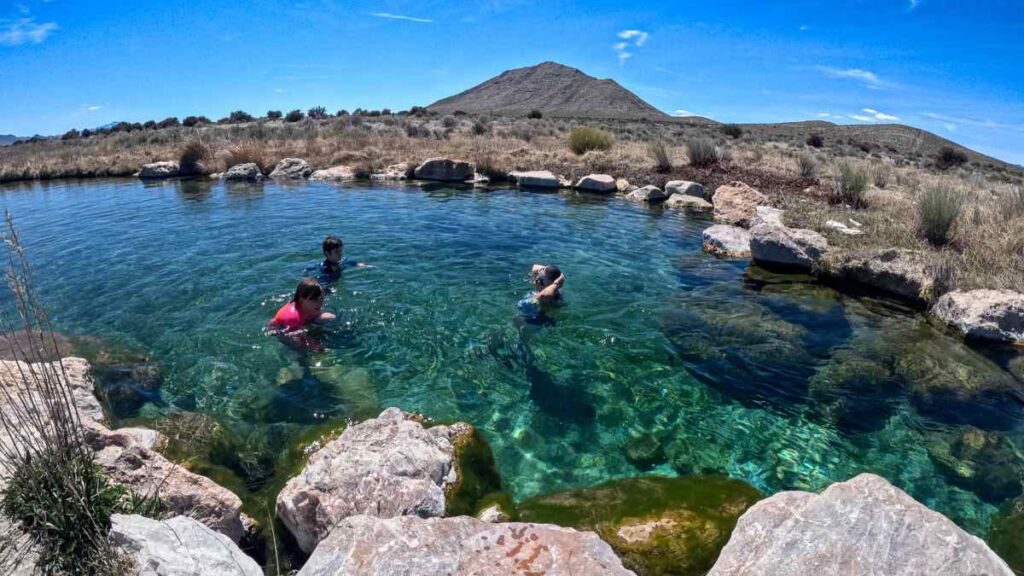
Wayne E. Kirch Wildlife Management Area Hot Springs
A striking turquoise hot spring can be reached via a detour off Highway 50. This is also a protected habitat, so treat it with care and respect.
Other stops along this leg of the journey
- Nevada Northern Railway Museum (Ely)
- McGill Drugstore Museum
- Ely Mural Walking Tour
- Cave Lake State Park
This stretch of the loneliest road in America combines mining history with wildlife areas and some of Nevada’s best stargazing.
Leg 4: Ely to Great Basin National Park
Approx. 56 miles / 90 km
This is where the loneliest road in America ends on a high not too far from the Utah border. Great Basin National Park is one of the least-visited national parks in the US, which means no crowds, no tour buses and no fighting for the best viewpoints.
Highlights not to miss
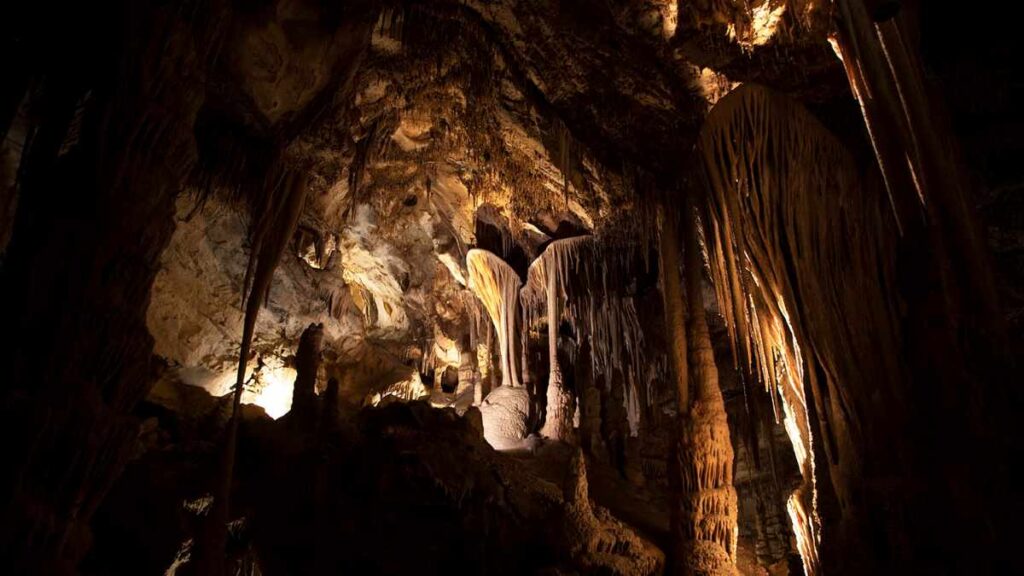
Lehman Caves
Take a guided tour through this intricate limestone cave system to see over 300 shield formations, hear how it was discovered and learn which creatures can be found here and nowhere else on earth.
Bristlecone Pine Trees
At over 5,000 years old, some of the oldest living trees on Earth can be found here. Find these ancient trees along the Bristlecone Trail, which is accessed from the Wheeler Peak Campground.
Wheeler Peak Scenic Drive
This stunning scenic byway is best visited during summer or early fall. This 12-mile/19-kilometre drive will carry you above the sagebrush flats to an elevation of around 10,000-feet/3,048-metres where you’ll find campgrounds, amazing views and dark-sky viewing areas.
Stargazing
The Great Basin is home to some of the darkest skies in the lower 48 states. In summer, the Milky Way is visible to the naked eye, and visitors can enjoy the night sky from the park’s Astronomy Amphitheatre. Here, you’ll find seating outfitted with red lights to help preserve your night vision.
If the rest of Highway 50 Nevada is about wide-open desert, this final section is about elevation, alpine air and extraordinary night skies.
Is the loneliest road in America actually lonely?
Services are spaced out between small towns, traffic can be light on some stretches and some detours require planning with petrol and supplies… but lonely? Not at all.
The nickname exaggerates things. The loneliest road in America isn’t devoid of attractions but they’re not in your face every five minutes either. This road trip simply rewards travellers who are willing to slow down and explore.
Quick planning tips for driving the loneliest road in America
- Don’t skip fuel stops – Fuel stations are spaced out along Highway 50 Nevada. Top up when you can.
- Carry extra water in your vehicle – temperatures can soar in the desert.
- Download offline maps – mobile reception is patchy.
- Allow time for detours – some of the best spots (like hot springs) required detours off Highway 50.
- Stargazing is worth staying overnight for – The darkest skies in the lower 48 states are near Great Basin National Park.
- Best time to drive Highway 50 in Nevada? – Spring and autumn offer the most comfortable temperatures.
How long should you allow?
You could technically drive the Nevada stretch of Highway 50 in one day. But if you want to soak in hot springs, explore ghost towns, take scenic detours, enjoy stargazing and visit Great Basin National Park, we recommend allowing at least five days.
It’s not every day you get to road trip through Nevada, so it’s worth slowing down to chase horizons at your own pace.
Useful links
- Cruise America RV Hire
- Travel Nevada (official tourism website)
- Don’t miss these quirky highlights on the ET Highway in Nevada
- Las Vegas to Reno Road Trip Itinerary: Nevada’s Free Range Art Highway
FAQ about the loneliest road in America
In 1986, Life Magazine labelled Nevada’s stretch of Highway 50 the “loneliest road in America,” claiming there were few services and no major attractions. While the road is remote, it’s actually filled with ghost towns, hot springs, historic sites and access to Great Basin National Park.
The Nevada portion of Highway 50 is about 400 miles (643 km) without detours. You can drive it in one or two days, but allowing at least five days gives you time to explore hot springs, state parks and historic towns along the way.
No. Highway 50 in Nevada is not dangerous if you plan properly. Services and fuel stops are spaced out, so you simply need to top up when you can and carry water. Road conditions are generally good and suitable for both regular cars and RVs.
Top stops include Spencer Hot Springs, Middlegate Station, Ward Charcoal Ovens, Grimes Point and Hidden Caves, and Great Basin National Park. Many travellers also enjoy the historic towns of Austin, Eureka and Ely.
Yes. Highway 50 in Nevada is well-suited to RV travel, with wide roads and plenty of camping opportunities. However, it can easily be driven in a standard vehicle with overnight stays in motels.
The Nevada stretch officially runs from Carson City to Baker near the Utah border. Many travellers extend the drive from Lake Tahoe to Great Basin National Park.
Yes – if you enjoy open landscapes, history, ghost towns, hot springs and stargazing. The loneliest road in America rewards travellers who prefer quiet, scenic road trips over busy highways.
This article contains affiliate links to products. We may receive a commission for purchases made through these links.
Where to next?
If you’re planning a coastal road trip in Australia, the Great Ocean Road drive is one of the most spectacular journeys in the country.
📌 Save this article to Pinterest so you’ll have it handy when planning your own trip.
Let me know what you think!